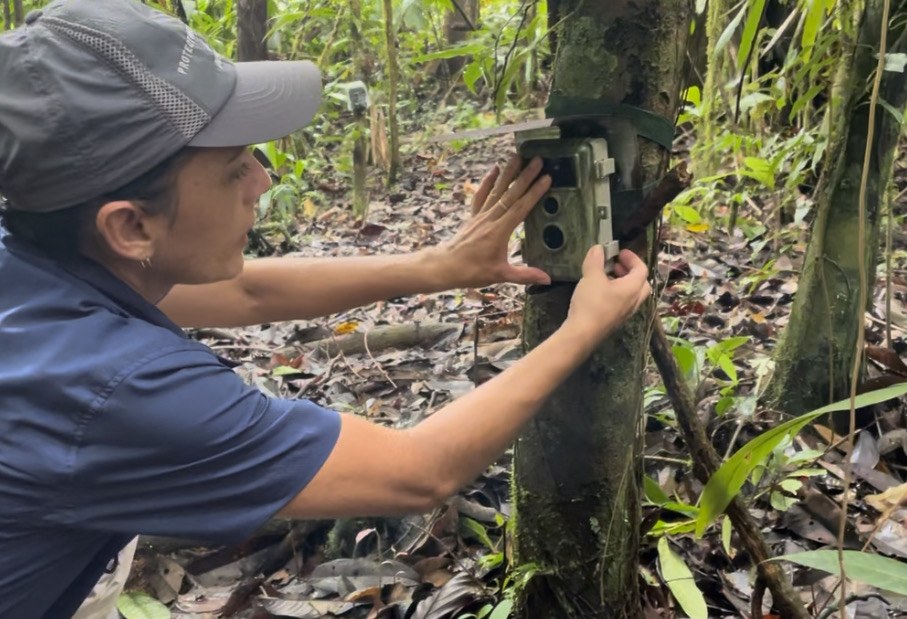
 Since 2011
Camera traps
Long-term records help document mammals moving through the forest, including evidence of the five wild cat species found in Osa.
 Tamandua Biological Station
Book your stay
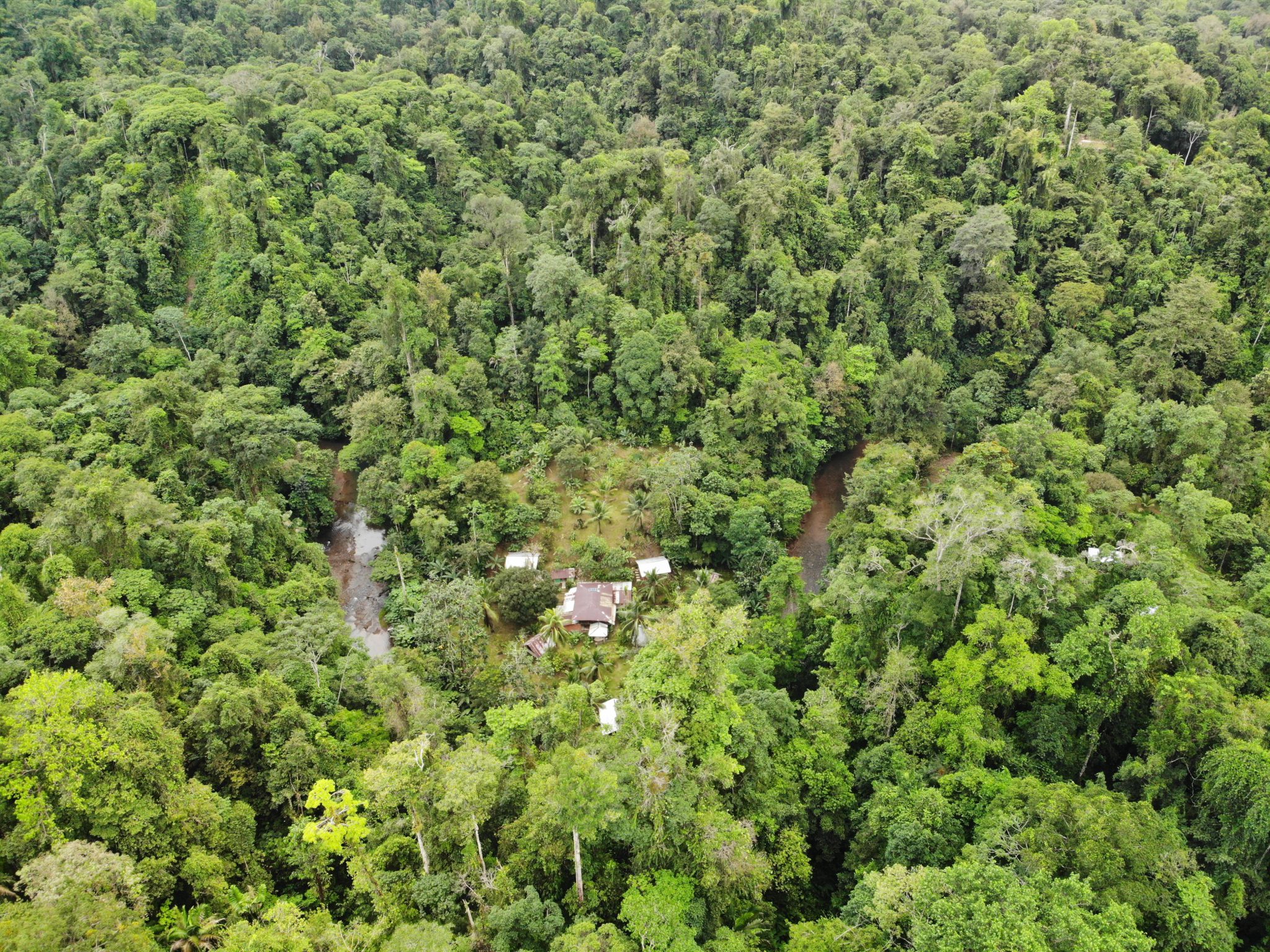
Tamandua Biological Station · Osa Peninsula, Costa Rica
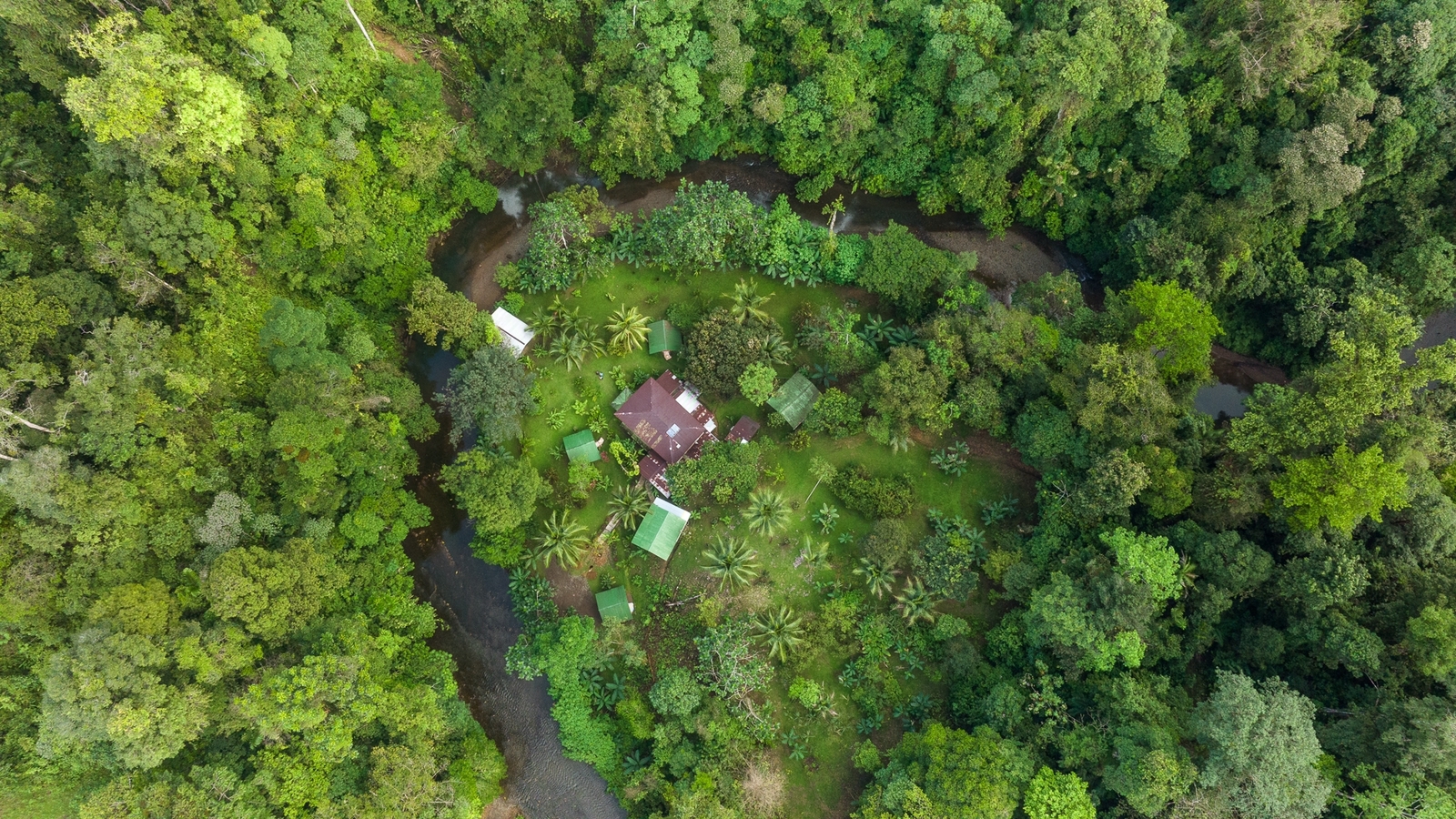
Stay in a working biological station surrounded by primary rainforest, where authentic ecotourism supports field research and conservation.
Research & conservation
Tamandua Biological Station welcomes short-term and long-term research proposals, field courses and workshops. Researchers bring their own projects to a forest living laboratory.
Its proximity to Corcovado National Park—together with accommodation, meals and essential services—makes the station an excellent base for studying the ecosystems and biodiversity of the Osa Peninsula.
Since 2011Long-term records help document mammals moving through the forest, including evidence of the five wild cat species found in Osa.
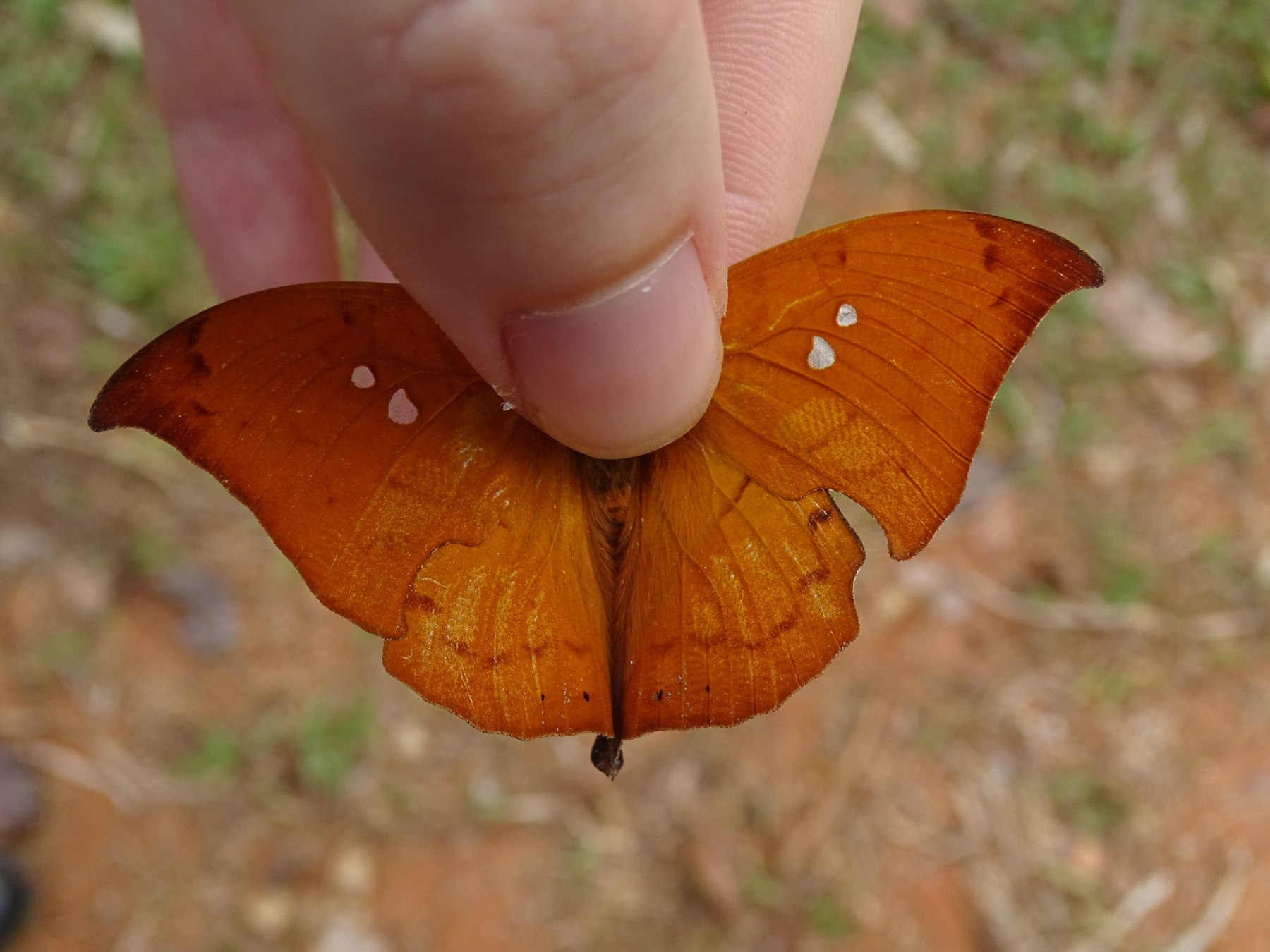 Since 2017
Baited traps, photography and release allow fruit-feeding butterfly communities to be compared between seasons and years.
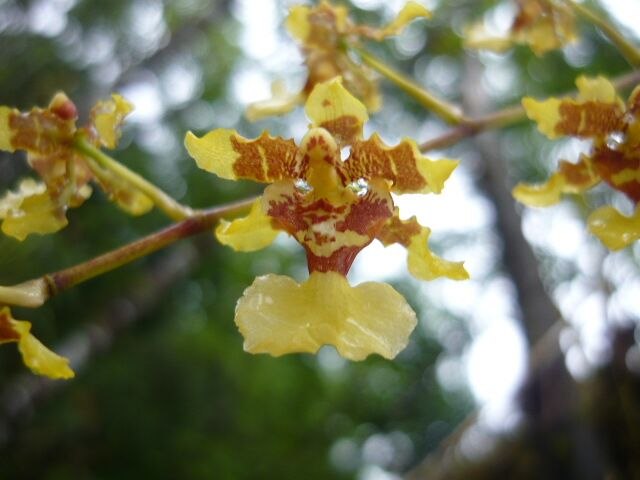 Long-term inventory
Orchids found on fallen branches are relocated, observed until flowering and identified whenever possible.
A genuine rainforest experience
Tamandua brings together responsible ecotourism, forest stewardship and biological research in one living project. The station currently receives no government support. Lodging, meals and tours help finance monitoring, conservation and education, alongside daily maintenance and fieldwork.
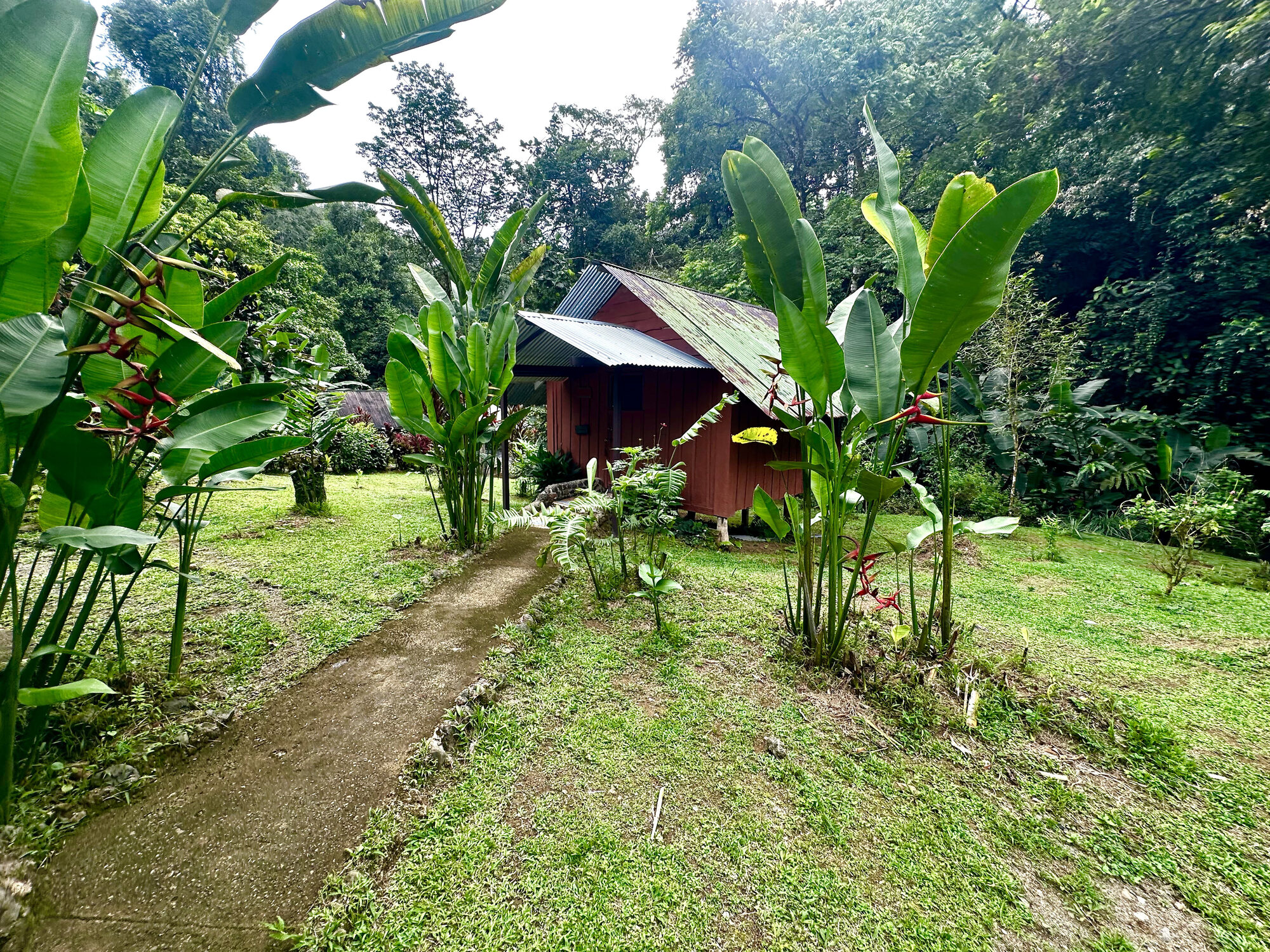
01 · Stay
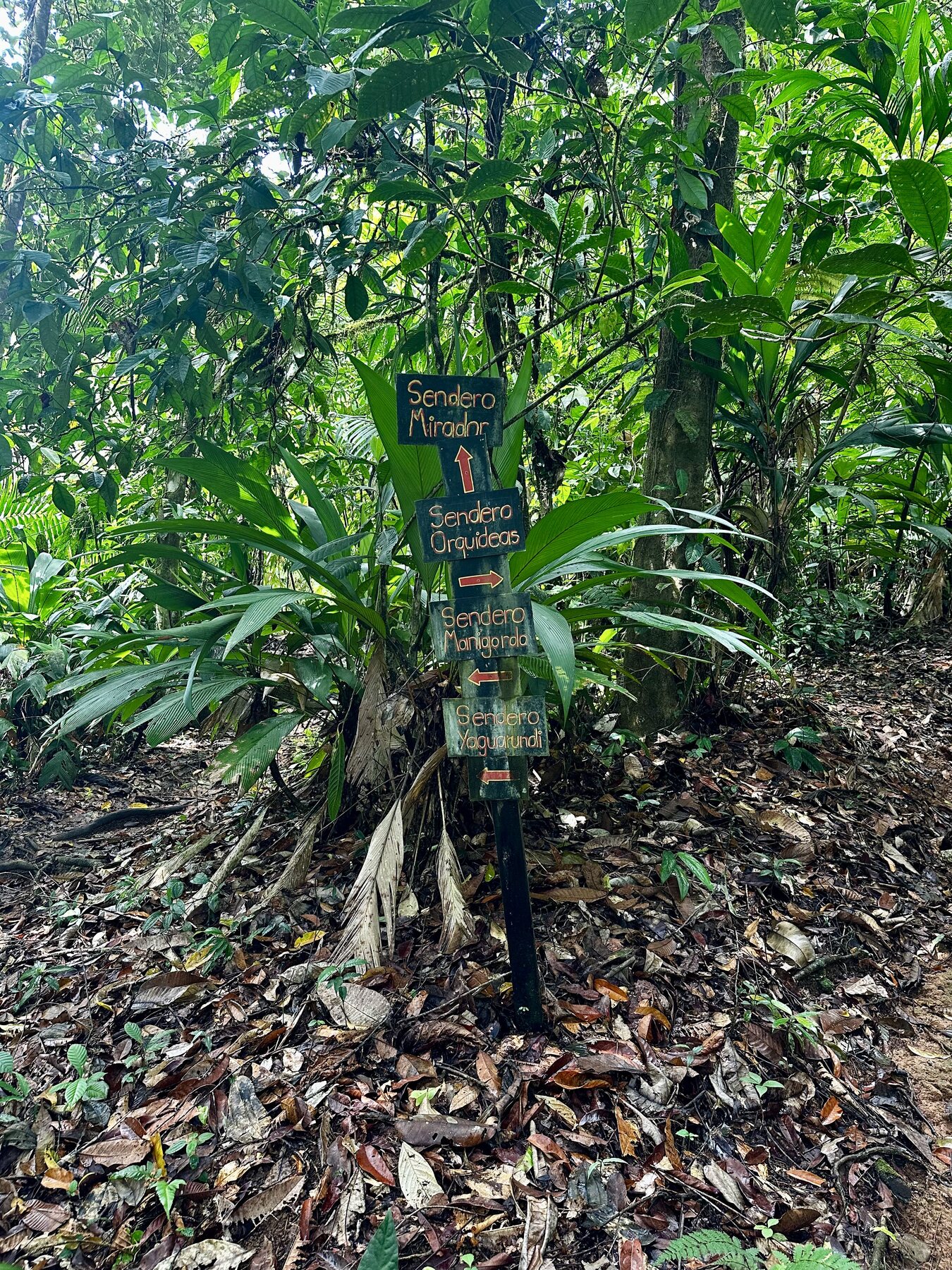
02 · Explore
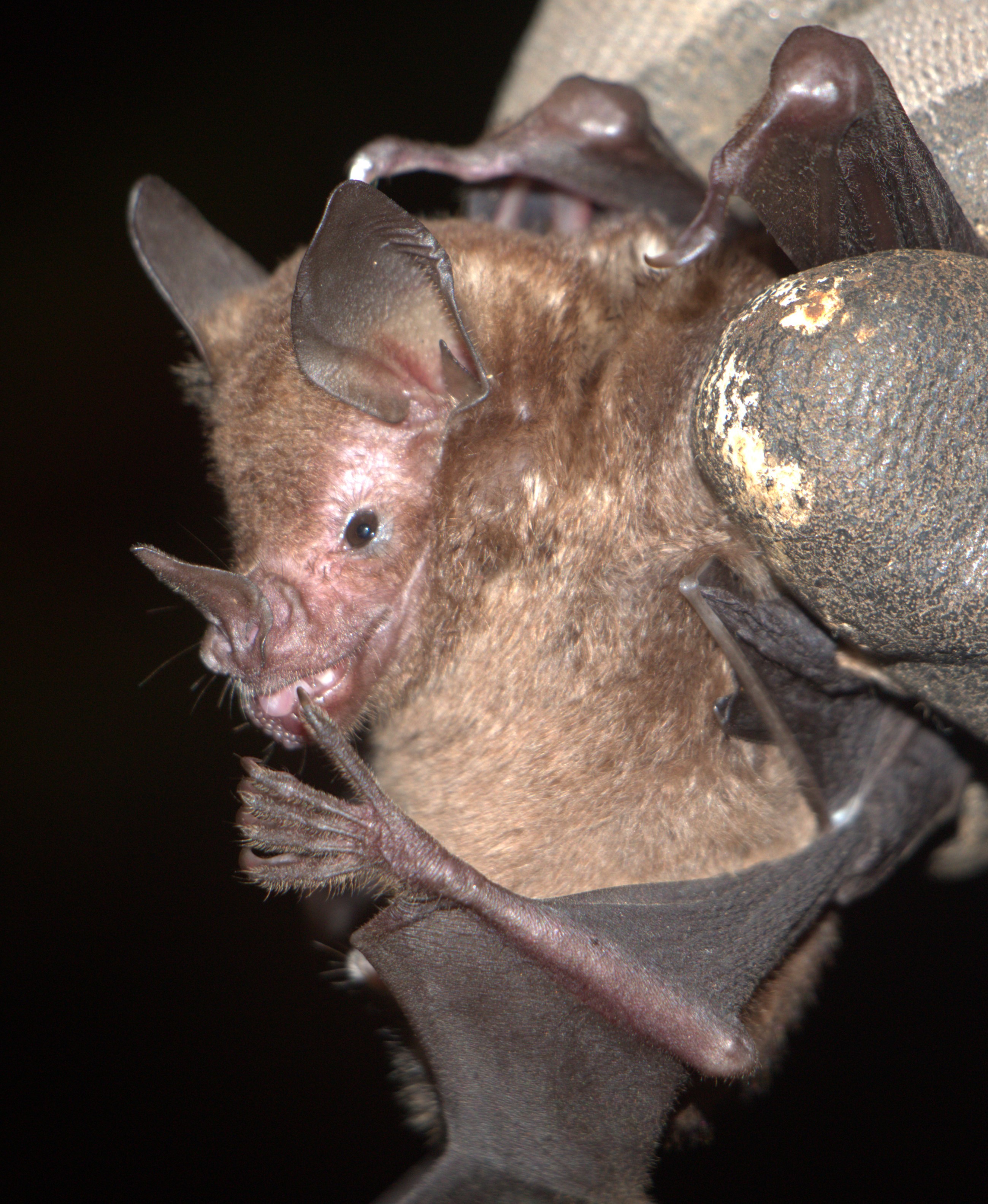
03 · Research
Stay at Tamandua
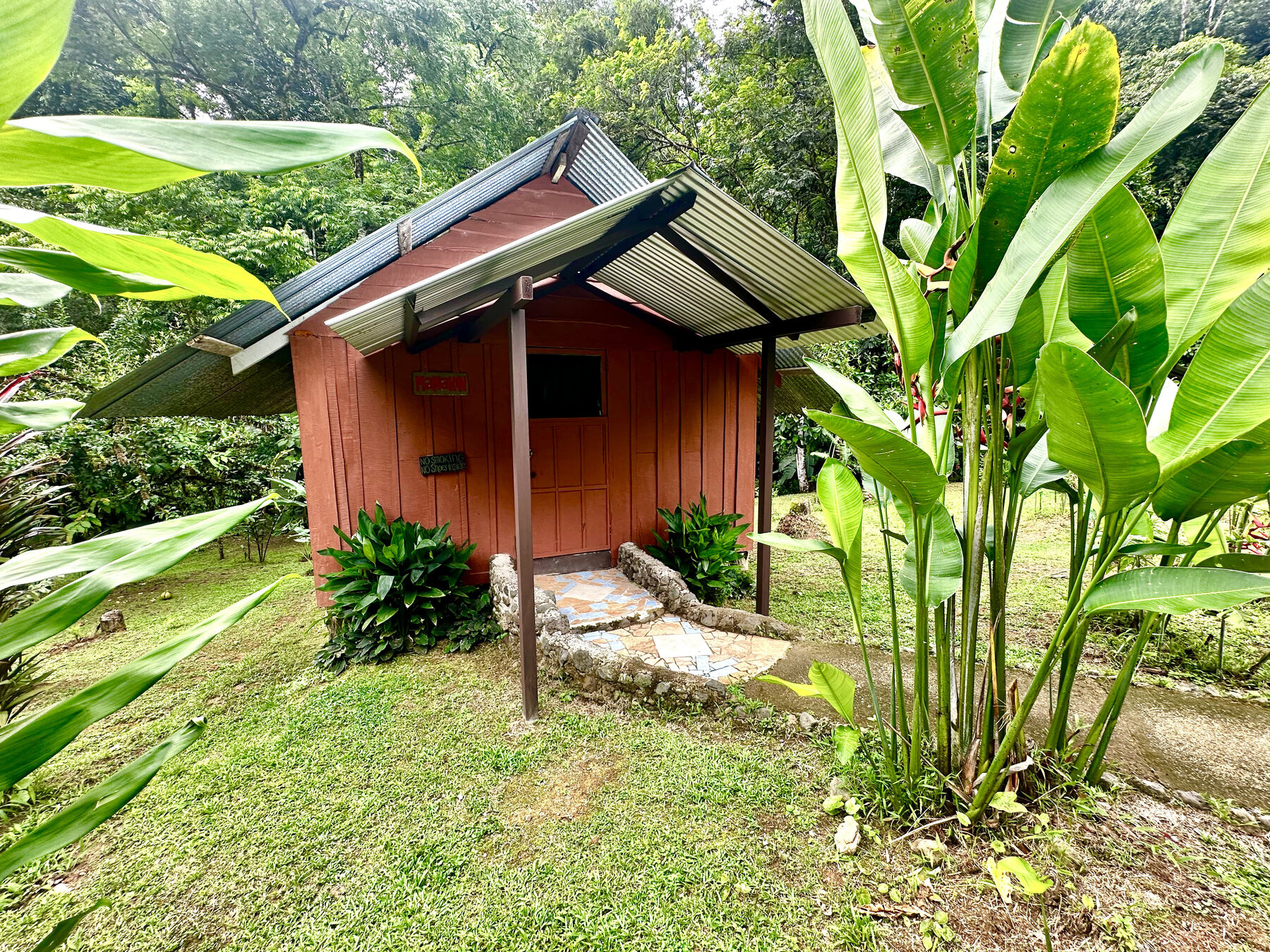
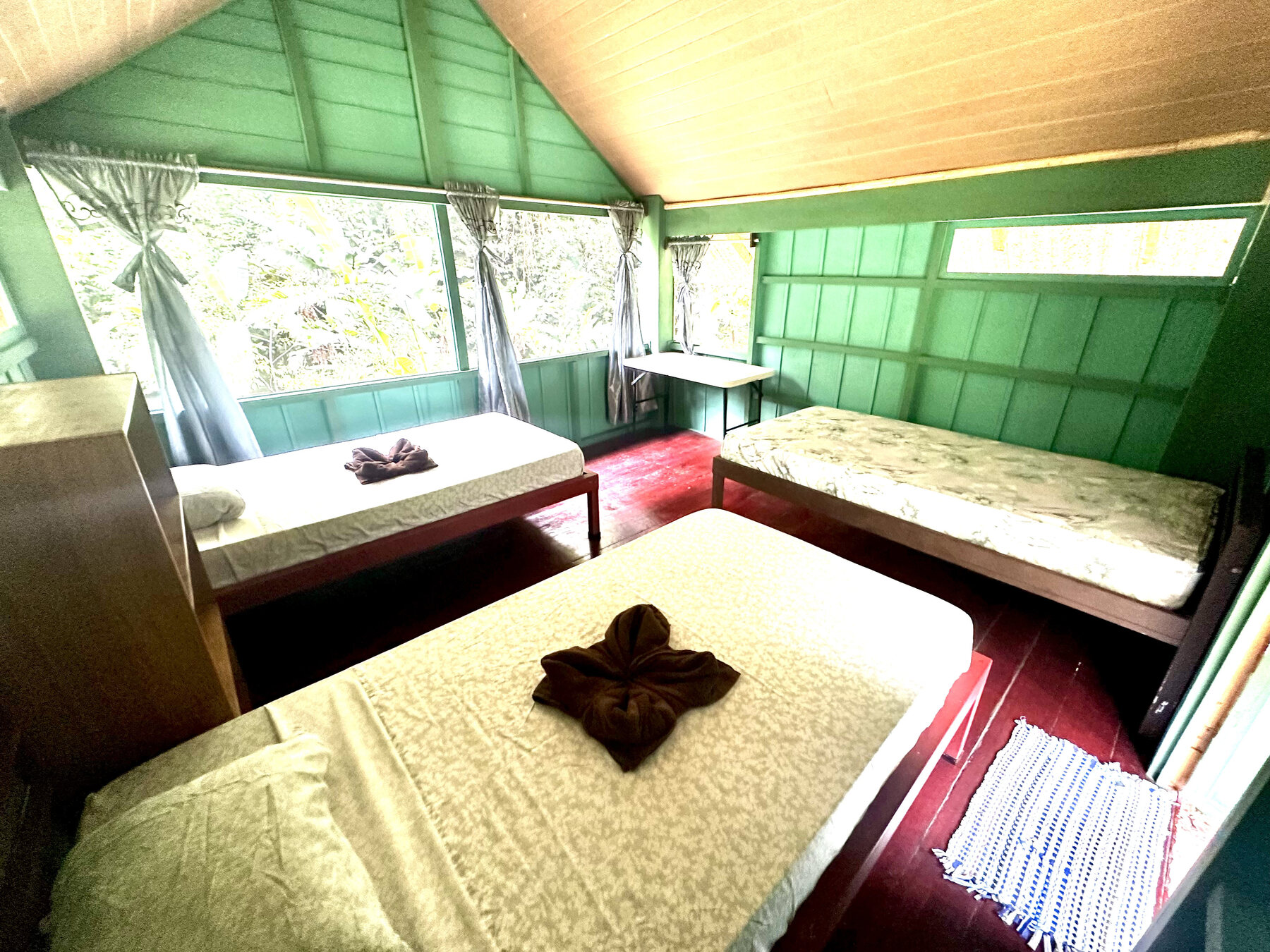
Tamandua offers five wooden bungalows set among gardens and tropical forest near Drake Bay and Corcovado National Park. Comfort is simple, conditions change and nature is never completely outside the room.
Explore with respect
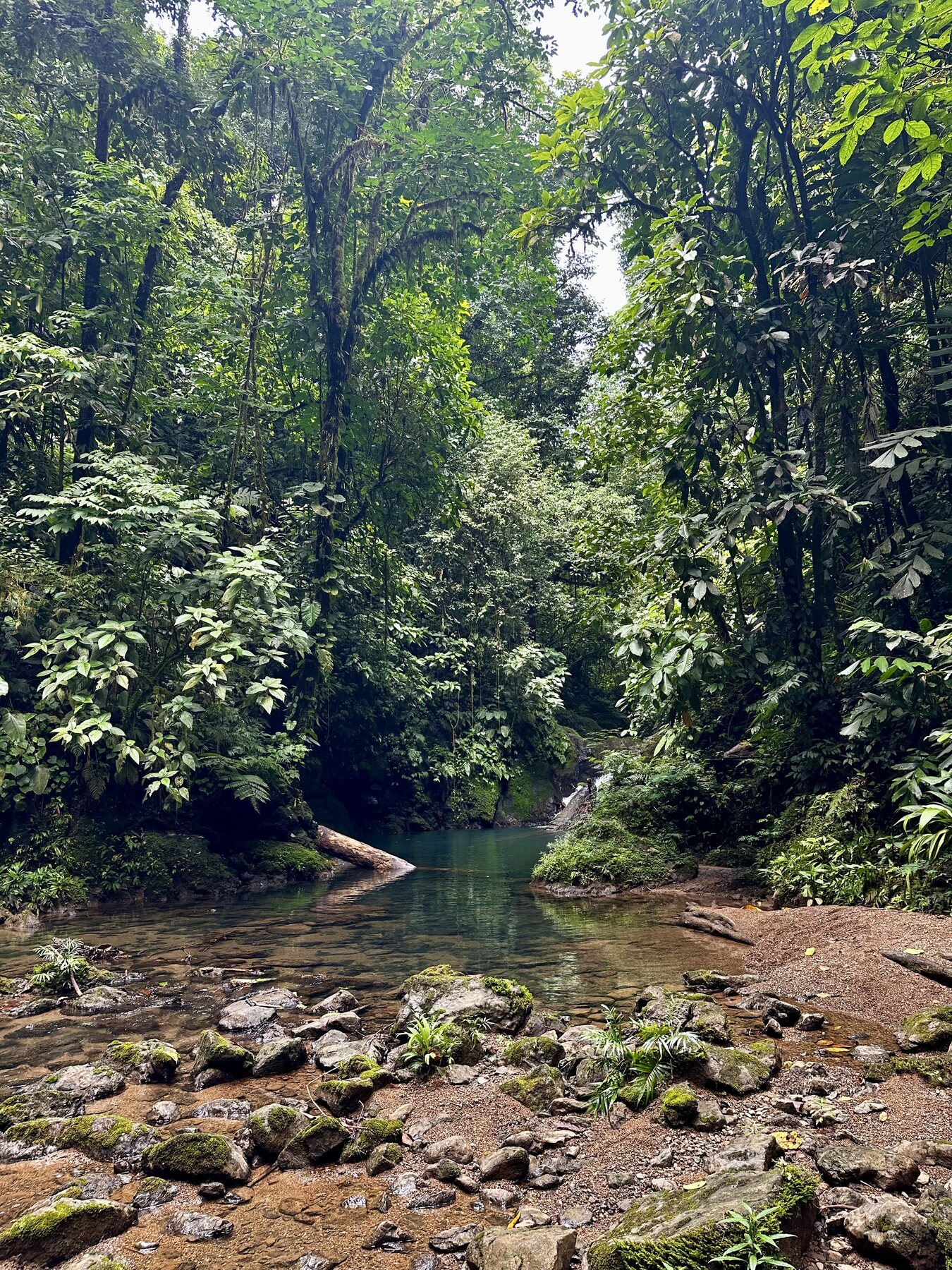
Tamandua’s primary forest is ecologically connected with Corcovado. Wildlife lives freely and retains natural avoidance behaviour; sightings take patience. Birds are abundant, and night tours are particularly good for snakes, frogs and insects. Tracks, calls and feeding signs are part of the experience. Day visitors can also join the station’s tours.
Exclusive to the station
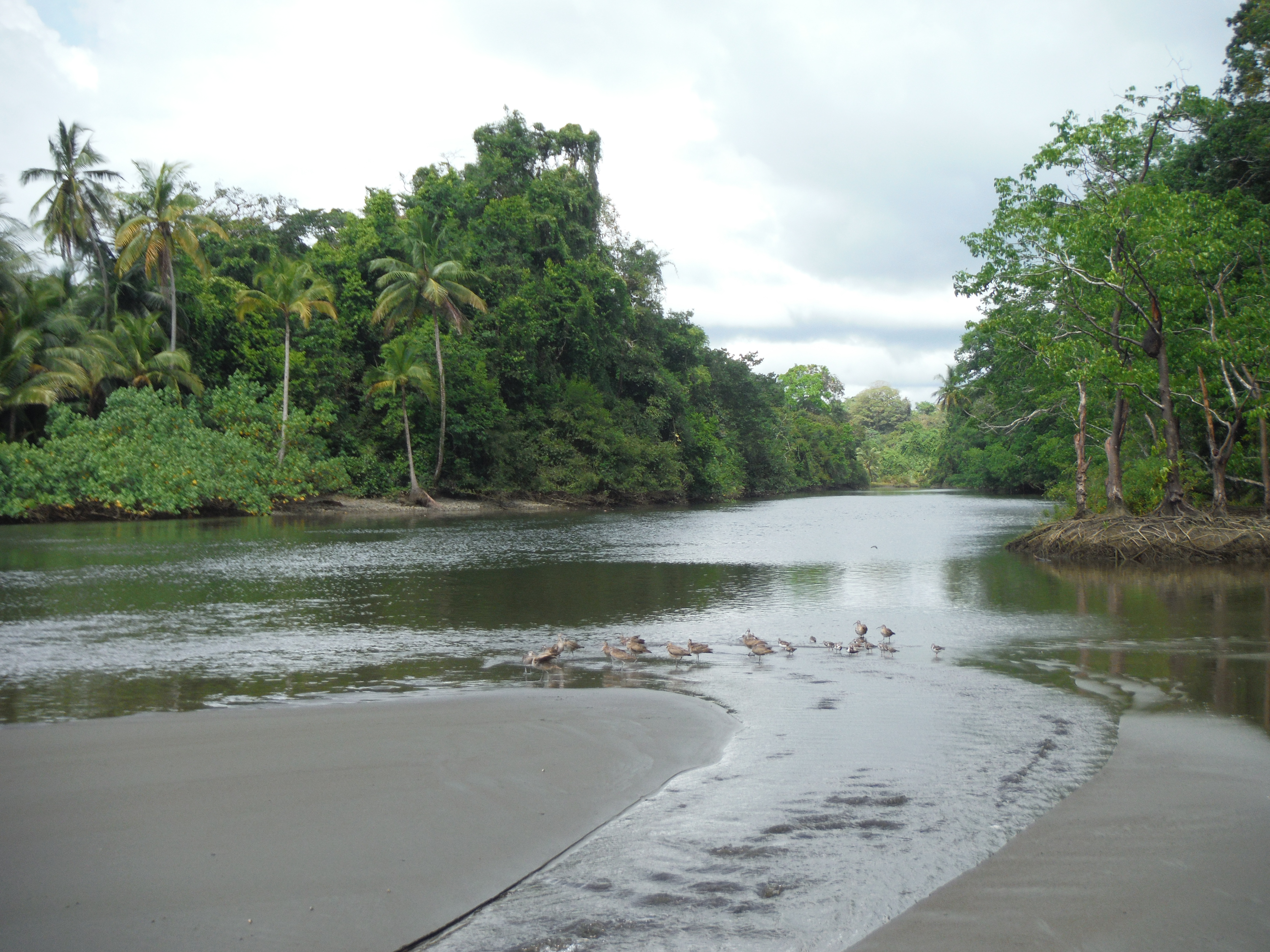
National park
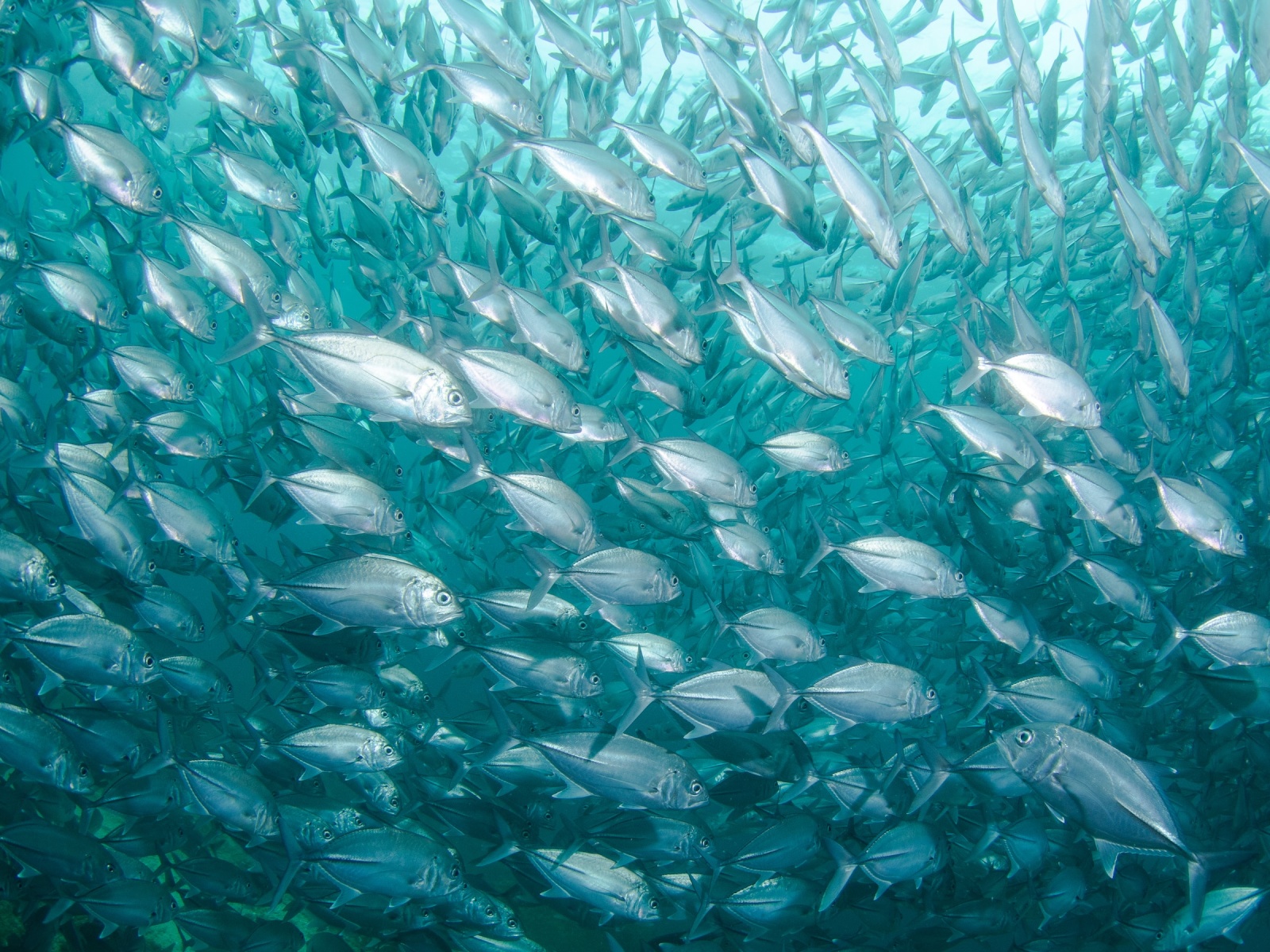
Marine
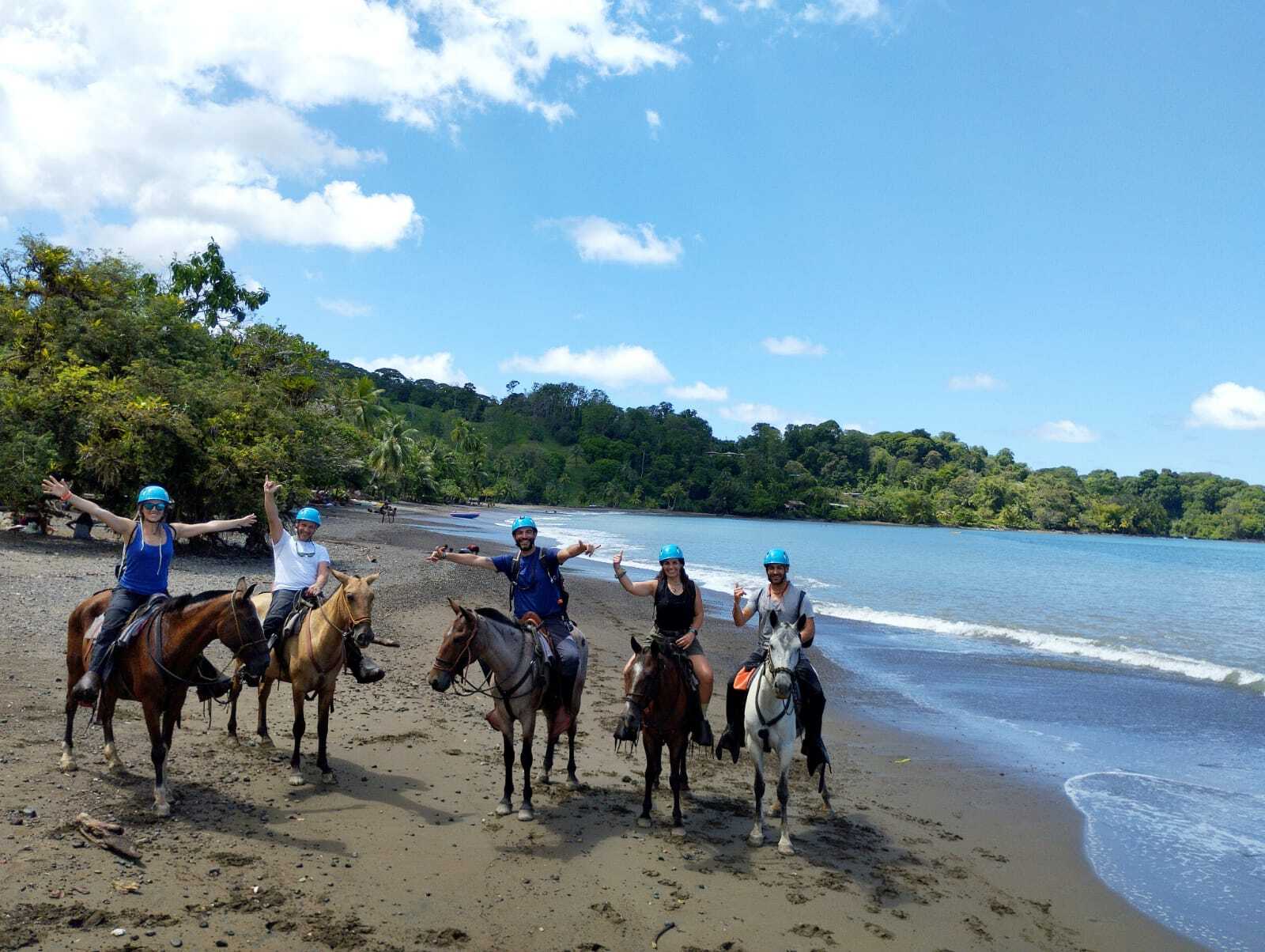
Landscapes
Availability, inclusions and conditions are confirmed individually when you enquire.
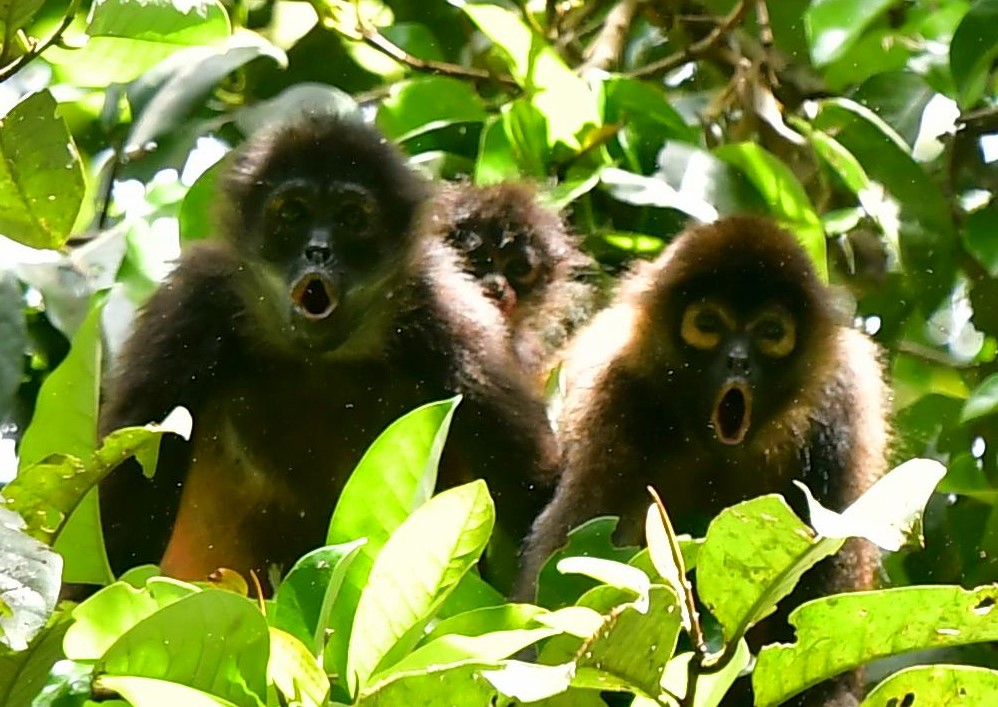
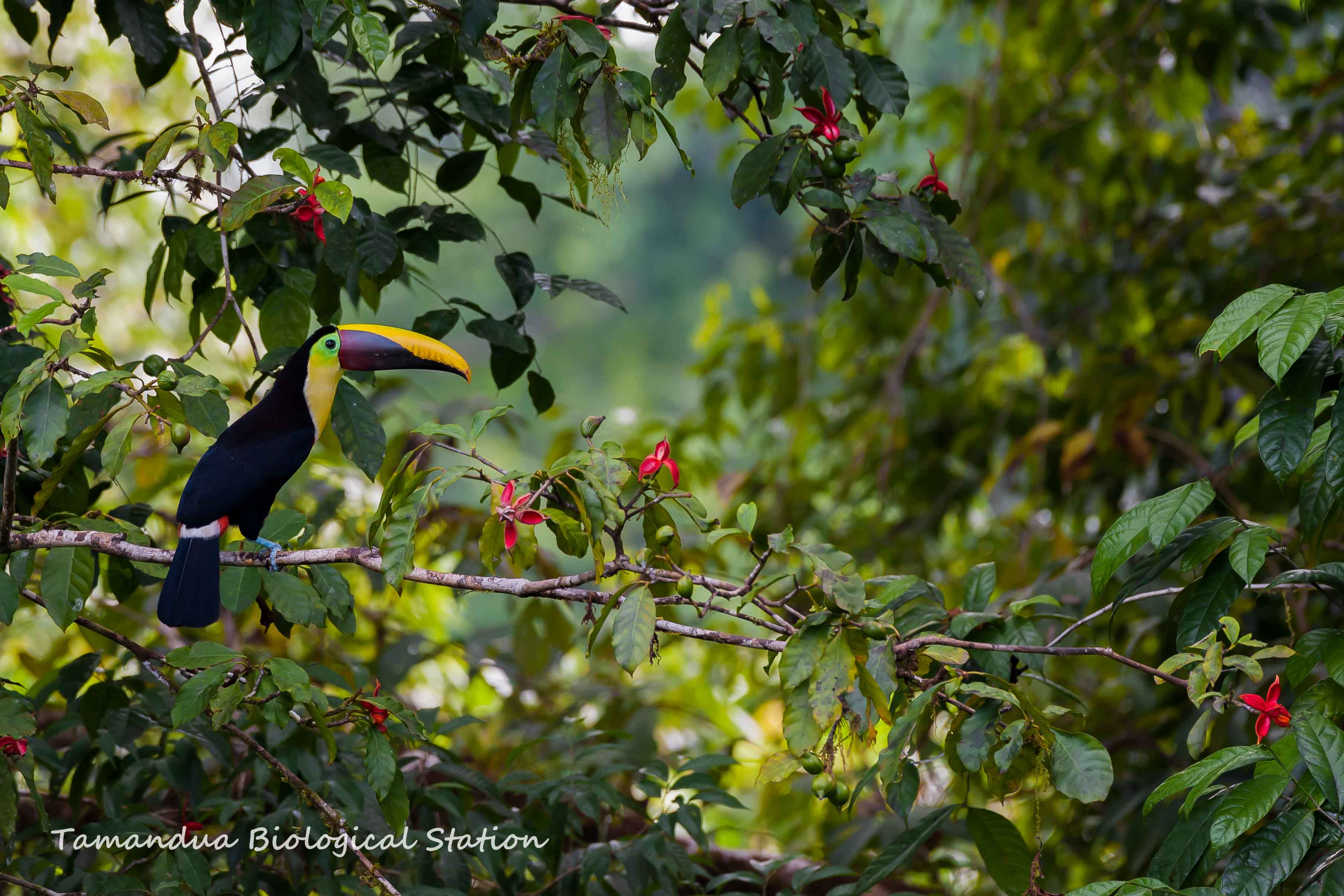
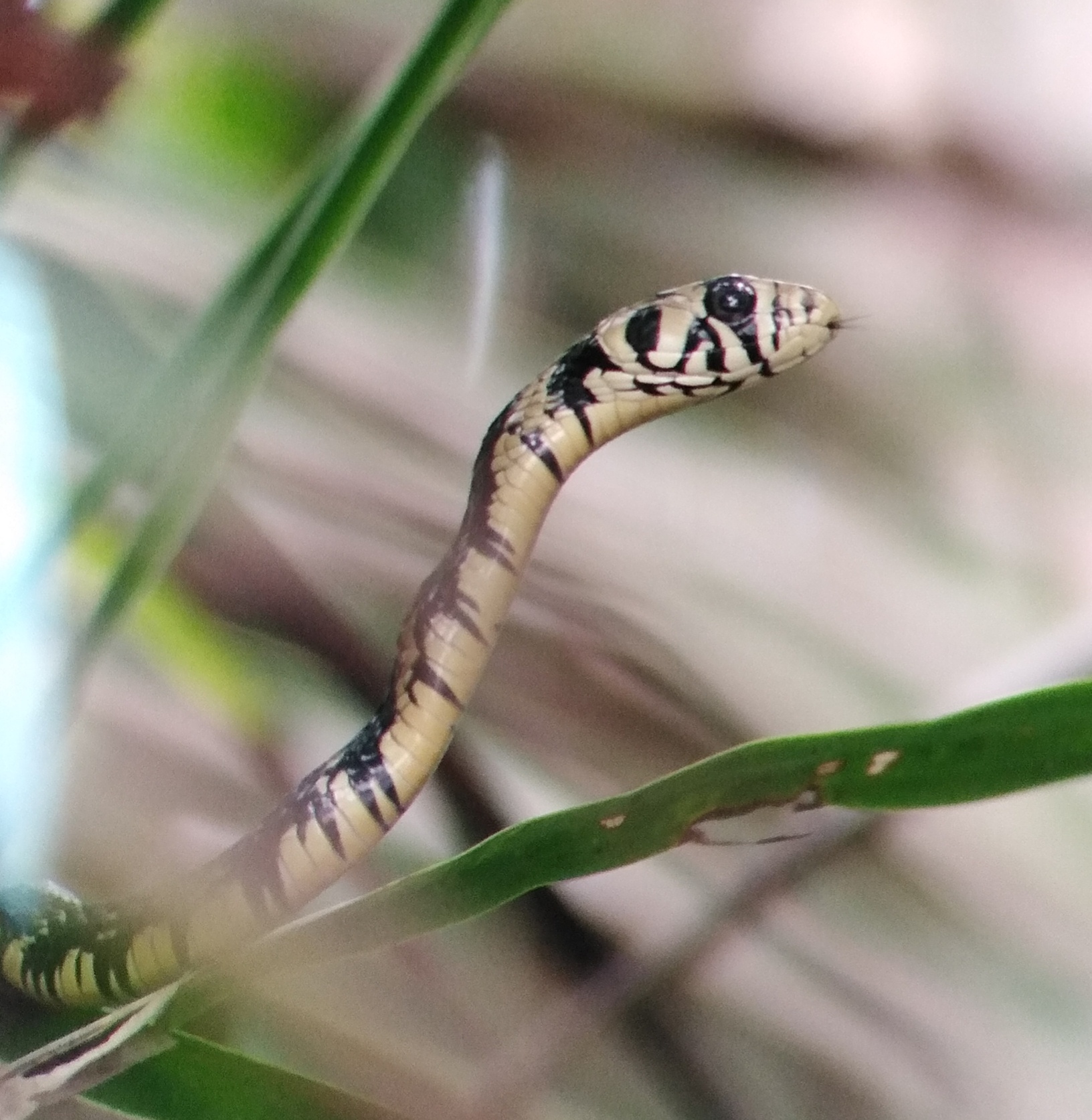
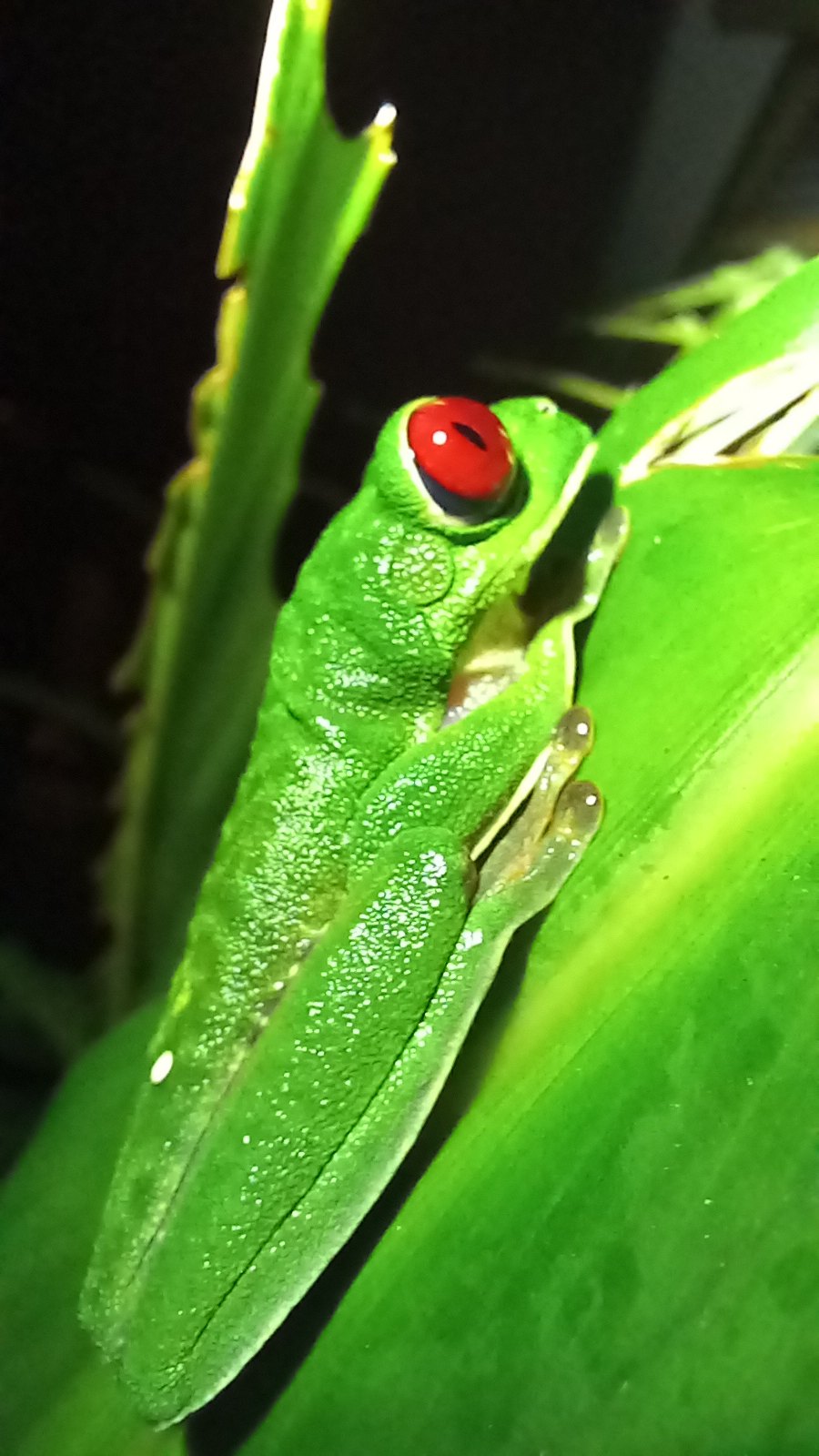
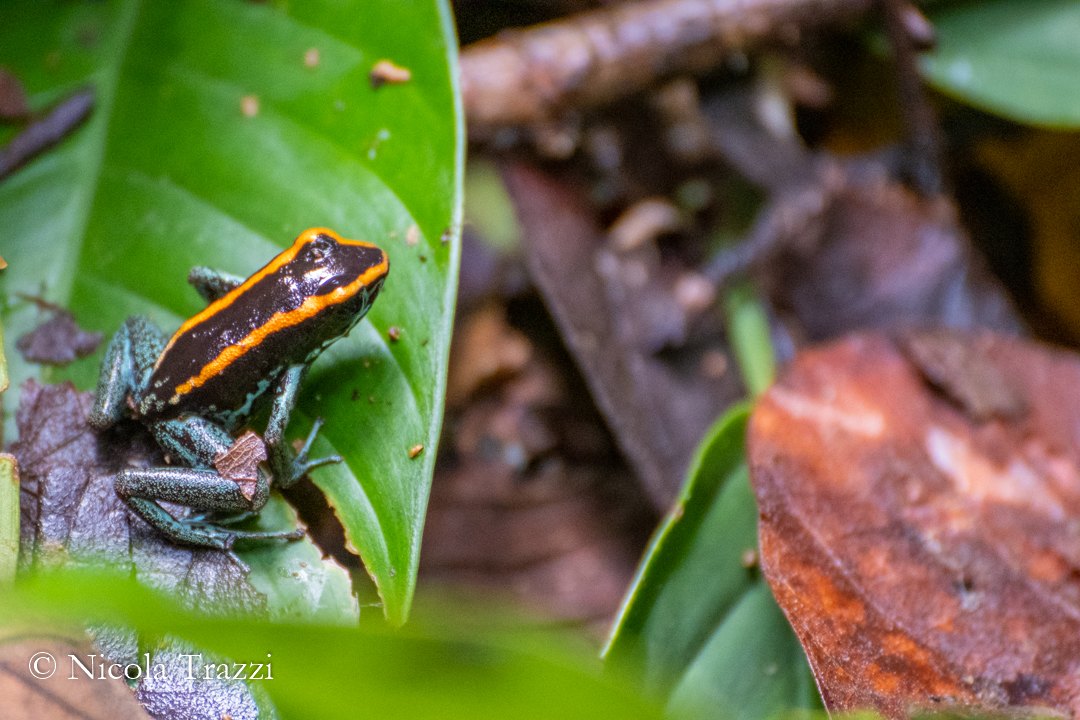
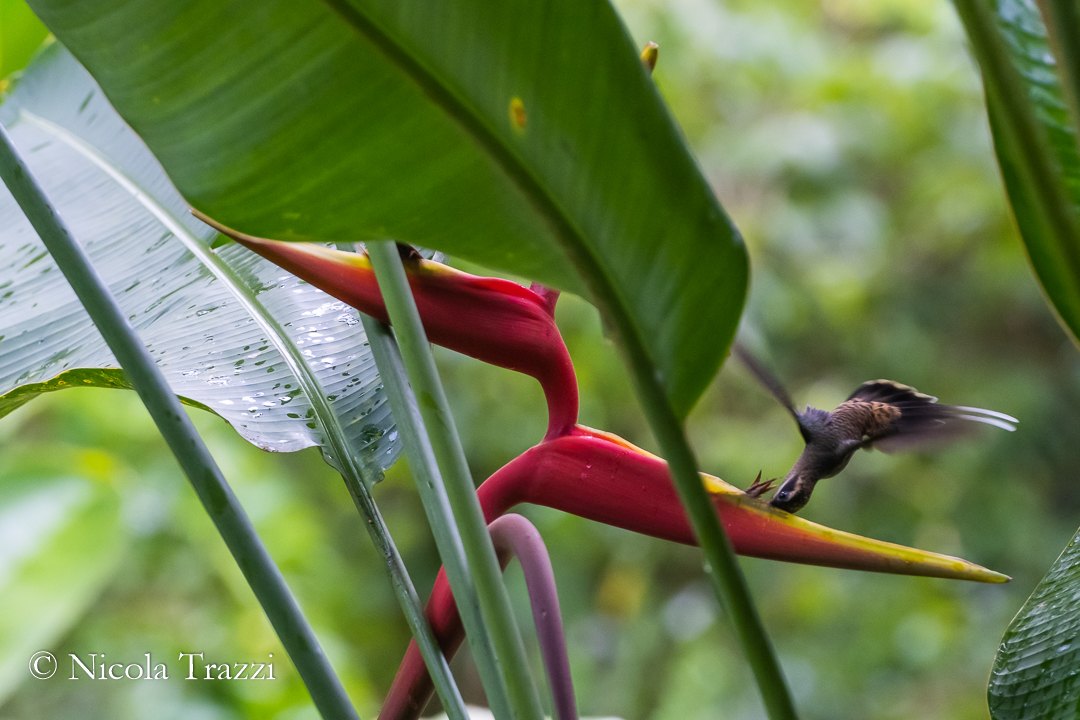
Species catalogue
The catalogue brings together confirmed observations, reviewed photographs and identification information connected with the station and its monitoring projects. Visitors and researchers can contribute photographs with photographer credit, supporting scientific documentation, biodiversity research and conservation.
Take part
Participate in daily operations and research through cleaning, maintenance, guest services and monitoring support. USD 100/week includes accommodation, food and arrival/departure transportation.
Minimum stay: 2 weeksApply to volunteer →Bring your own short-term or long-term proposal to a forest living laboratory with simple facilities, Starlink satellite internet and solar-powered electricity.
Proposals reviewed individuallyDiscuss a research project →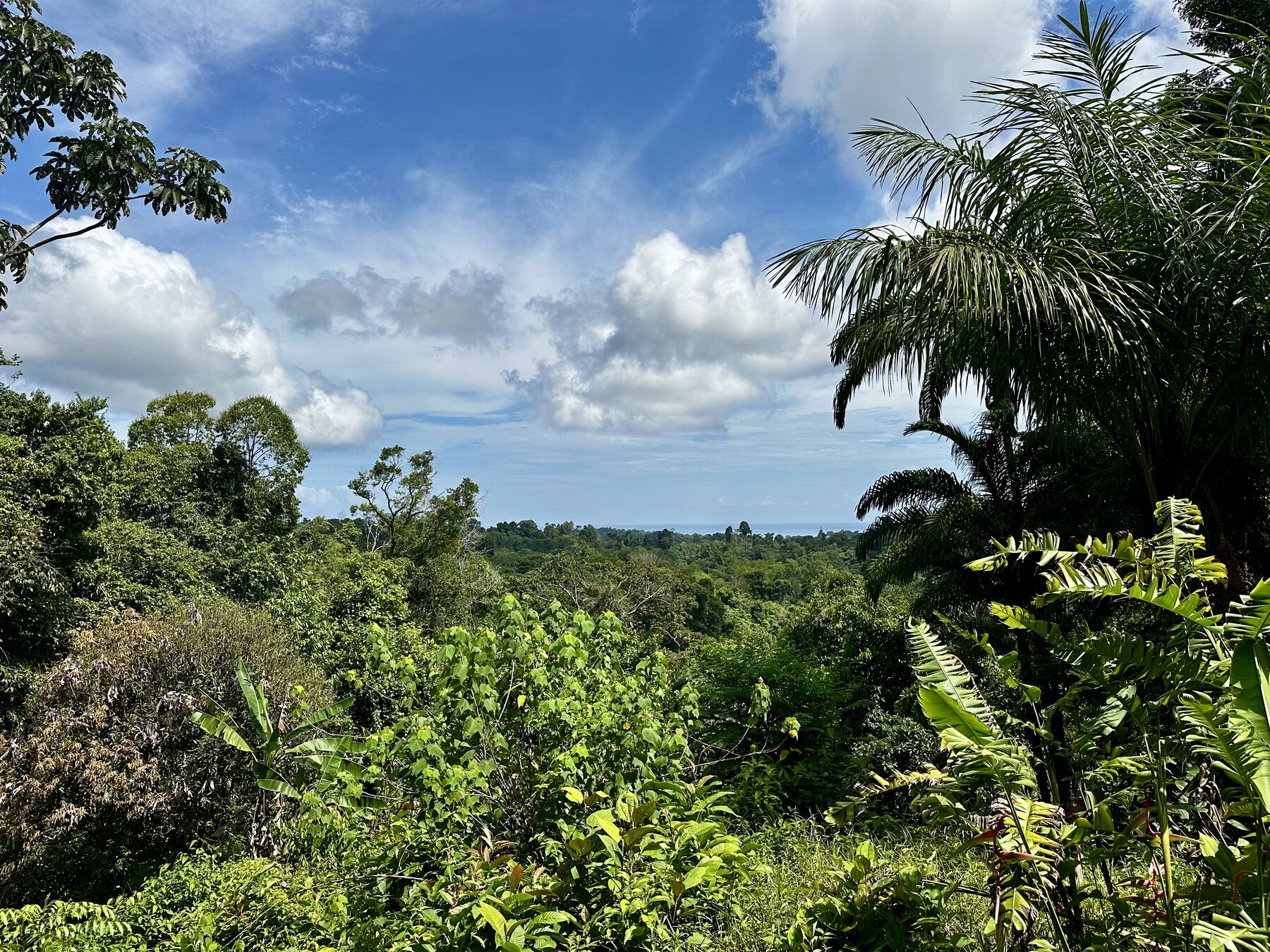
Family & place
Ananias grew up in this forest and knows it intimately. Together with Rebeca, a tropical biologist and guide, their children Valeria and Braulio, and collaborator Allan, the family welcomes visitors and keeps the station’s work moving forward.
Guest reviews

A memorable stay immersed in the deep rainforest, surrounded by real forest sounds and wildlife. The reviewer especially valued exploring with Rebeca in search of snakes, birds and butterflies, and Tamandua’s genuine respect for nature.
Four days completely immersed in nature, with primary rainforest, wildlife, forest trails and the river all around the station. The reviewer highlights the feeling of being genuinely off the beaten track and the value of Tamandua’s scientific and sustainable approach.
After three weeks volunteering at Tamandua, the visitors describe falling in love with the landscape, the river, the tranquillity and the way of life in the forest. They especially remember the wildlife, beautiful trails and waterfalls.
Drake Bay · Osa Peninsula
Tamandua Biological Station lies within the forested Drake Bay area of the Osa Peninsula, approximately 5 km from Agujitas Beach / Drake Bay. The final road has steep slopes and six river crossings; a high-clearance 4×4 is required for direct vehicle access. Check current rain and river conditions with the station before travelling. This map provides location context; follow the arrival instructions linked below.
Plan your arrival →Contact Tamandua
Tell us your dates, group size and what you would like to experience. Tamandua will confirm availability and conditions directly.