 Tamandua Biological Station
Book your stay
Explore with respect
Read the forest, not a checklist.
Discover Tamandua and the Osa Peninsula through guided experiences shaped by weather, wildlife and the living rhythms of the forest.
Primary rainforest
Wildlife lives freely here.
There is no physical barrier between our forest and Corcovado National Park, which is very close, so we share the same extraordinary biodiversity.
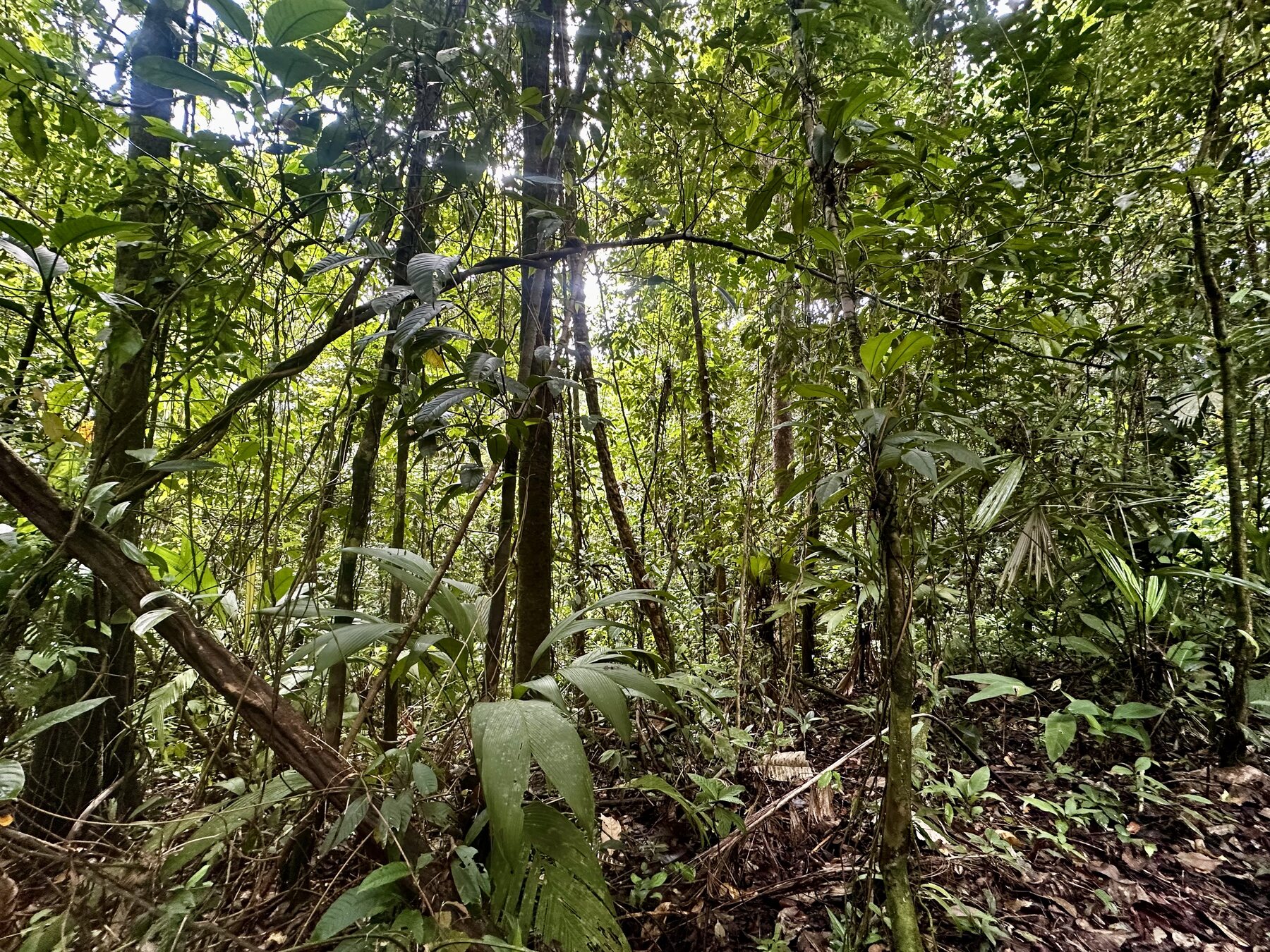
The main difference is that our forest is primary: an original, untouched forest that has developed naturally over a long period of time without significant human disturbance. Its trees are very tall, the vegetation is dense, and the animals maintain their natural behaviours, often avoiding humans. This is why animals can be more difficult to see here than in Corcovado.
In contrast, the forest around Sirena Station in Corcovado National Park is mostly secondary forest, which grows back after the original forest has been cut, cleared, or heavily disturbed. Its trees are younger and smaller, the structure is less complex, and animals are more accustomed to human presence, which often makes them easier to observe.
Before Corcovado National Park was established, families lived in the area, practising agriculture and cattle ranching. When the park was established, the land was expropriated and those families had to leave. Since then, Sirena Station has received visitors almost every day for around 50 years. This constant presence has changed the animals’ behaviour, making many more accustomed to humans and wildlife observation easier there.
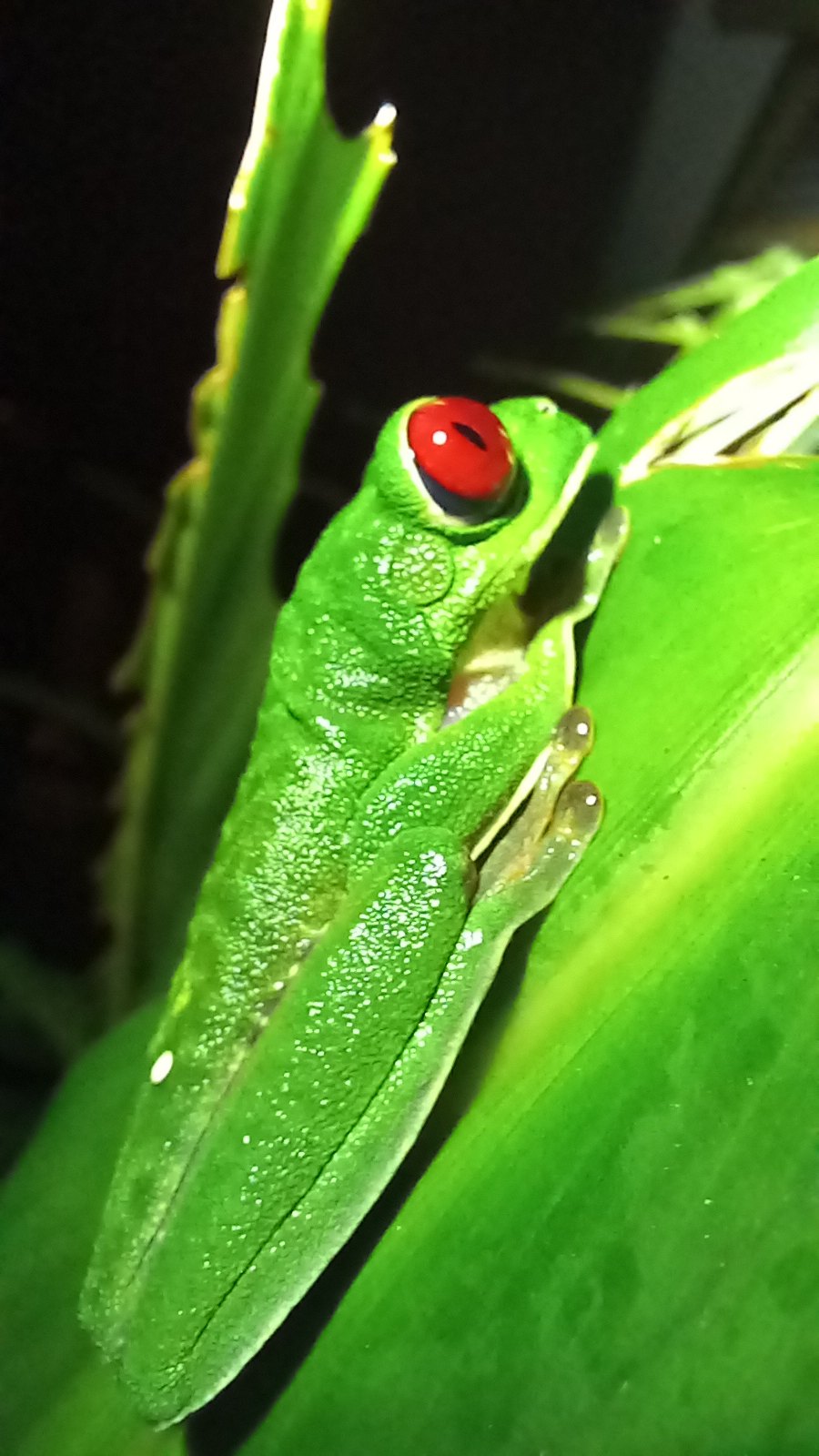
In our forest, animals maintain their natural behaviours, which are based on avoiding being seen. However, bird species are abundant and easy to spot here. During night tours, you can observe a remarkable variety of snakes, frogs, and insects. Sightings are never guaranteed.
The forest speaks through subtle signs. A distant call, fresh tracks, feeding marks, or even the sudden silence of birds are all part of the story. By moving slowly and respectfully, visitors learn to read the forest as a living system. Enjoying the primary forest means embracing these clues and understanding that every detail is a window into its natural rhythm.
Tamandua Forest
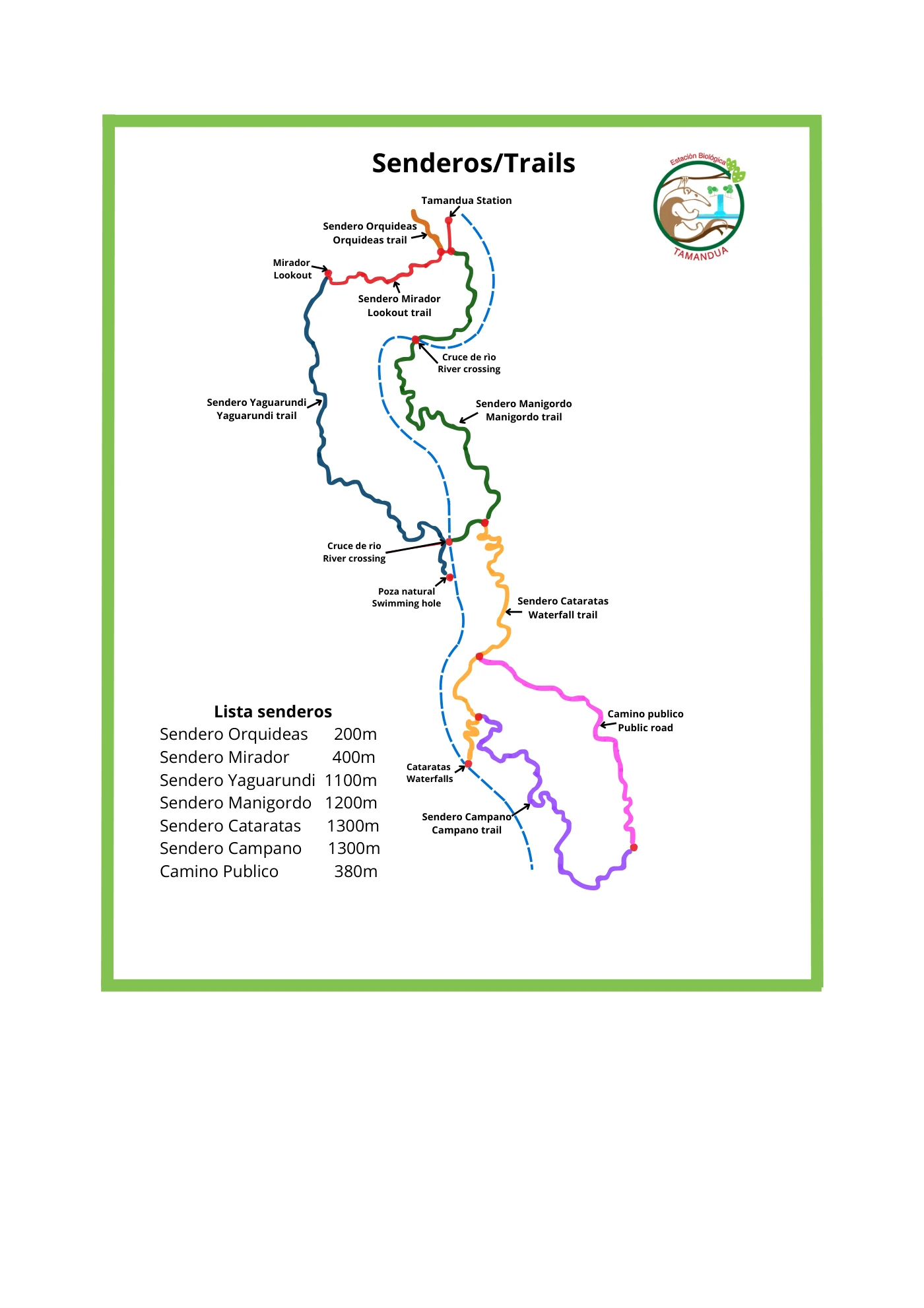
Tamandua trail map
Explore the station’s forest trails with a map of the river crossings, swimming hole, lookout and waterfalls. Check trail and river conditions with station staff before setting out.
- Orquideas trail — 200 m
- Lookout / Mirador trail — 400 m
- Yaguarundi trail — 1100 m
- Manigordo trail — 1200 m
- Waterfall / Cataratas trail — 1300 m
- Campano trail — 1300 m
- Public road — 380 m
At the station and around Osa
Available tours
Explore the station and the wider Osa region. Compare tour options, prices, times and inclusions below. Please confirm availability and arrangements with the station before booking.
Thumbnails are illustrative and may show locations outside Osa.
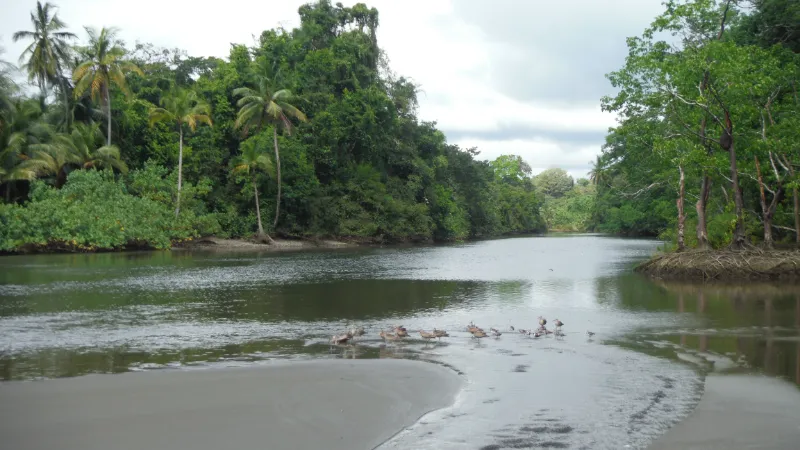 Corcovado National Park — Sirena Ranger Station day tour
- USD 1156:00 am – 1:30 pm
- A day visit to Sirena Ranger Station in Corcovado National Park.
- Includes: Boat, lunch, entrance, naturalist guide.
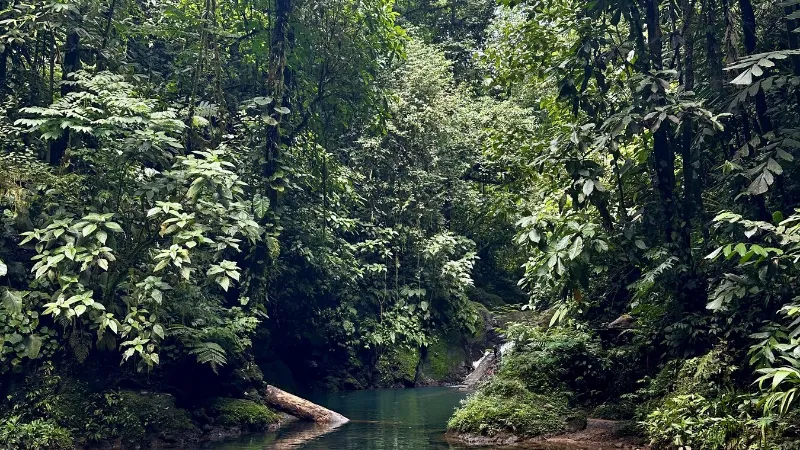 Corcovado National Park — San Pedrillo Station day tour
- USD 1006:00 am – 12:30 pm
- Explore Corcovado on a day visit to San Pedrillo Station.
- Includes: Boat, lunch, entrance, naturalist guide.
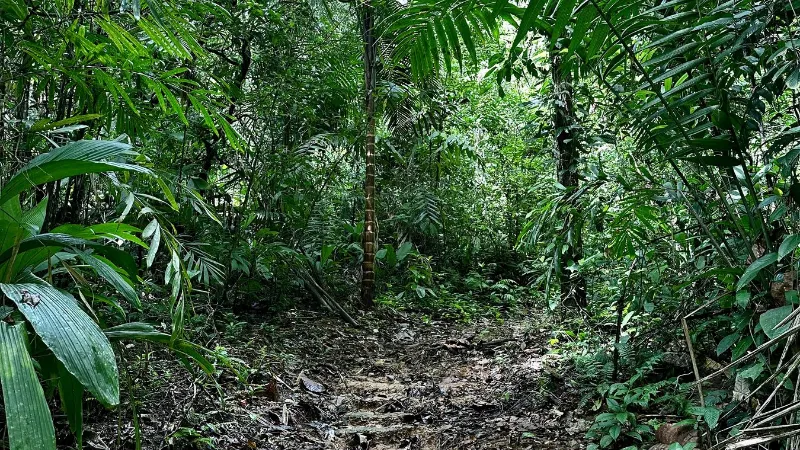 Sirena, San Pedrillo and Los Planes overnight tour
- USD 3552 days / 1 night
- An overnight itinerary connecting Sirena, San Pedrillo and Los Planes.
- Includes: Boat, all meals, room, naturalist guide, car.
- Good physical condition is required.
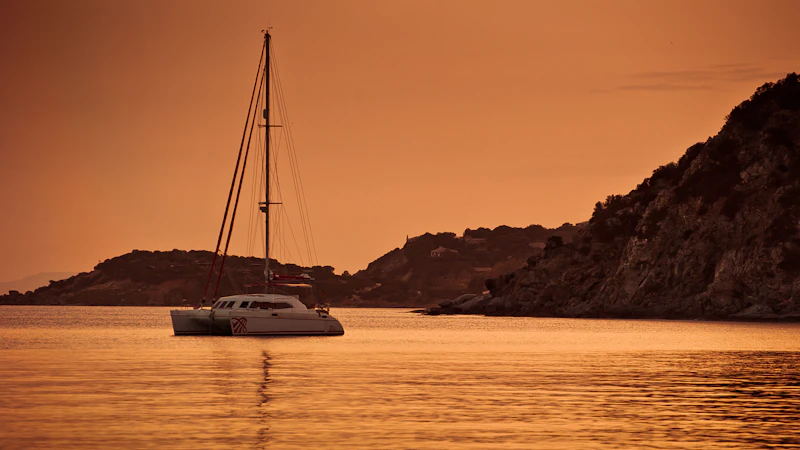 Sunset catamaran tour
- USD 453:30 pm – 6:30 pm
- An afternoon catamaran excursion with snorkeling.
- Includes: Catamaran, lunch, fruits, snorkeling equipment.
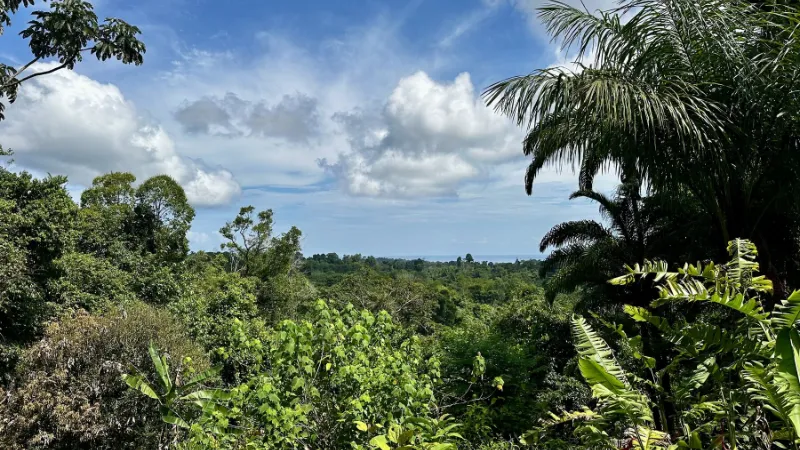 Corcovado National Park overnight tour
- USD 3752 days / 1 night
- Spend two days and one night in Corcovado National Park.
- Includes: Boat, all meals, bed, entrance, naturalist guide.
- Operates with at least 4 total participants. Solo travellers, couples and smaller parties may enquire about joining others where availability allows; you do not need to purchase 4 places yourself.
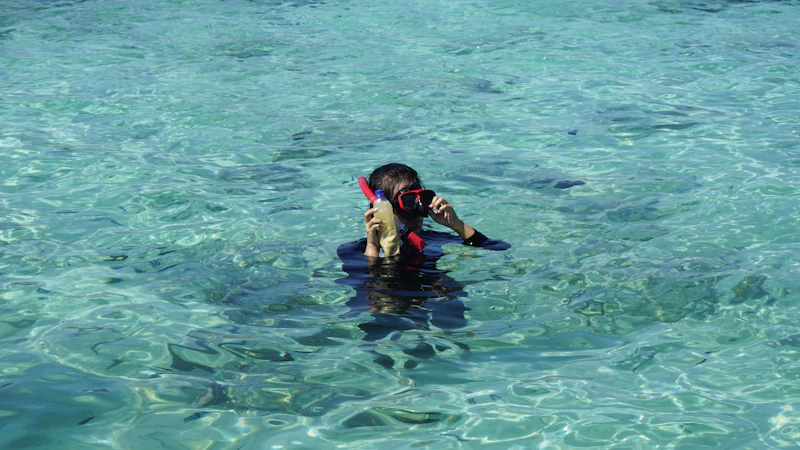 Caño Island Biological Reserve snorkeling tour
- USD 1007:30 am – 2:00 pm
- Explore the marine environment of Caño Island Biological Reserve by snorkeling.
- Includes: Boat, lunch, entrance, guide and snorkeling equipment.
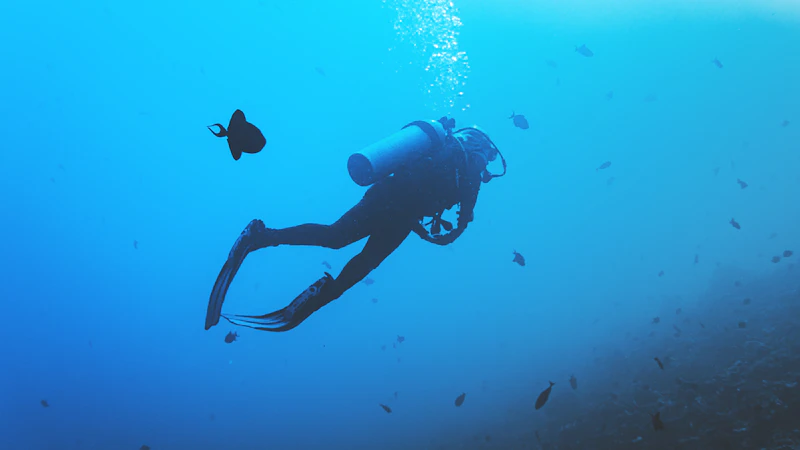 Caño Island Biological Reserve scuba diving tour
- USD 1557:30 am – 2:00 pm
- A scuba diving excursion to Caño Island Biological Reserve.
- Includes: Boat, entrance, lunch, dive master and scuba equipment.
- Requires a diving licence.
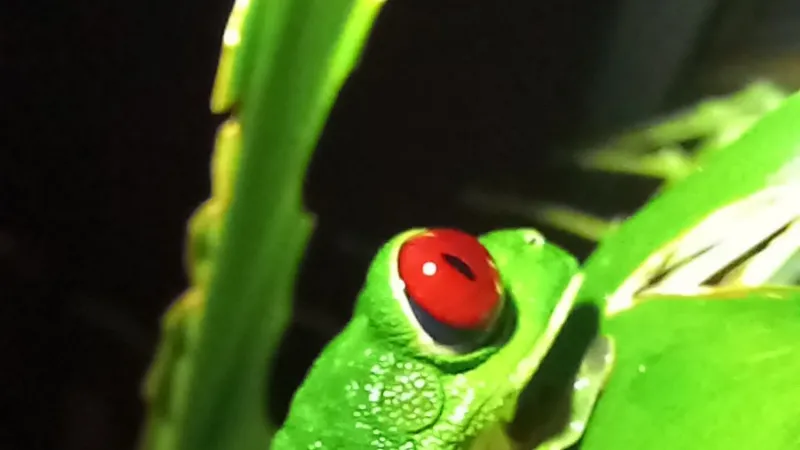 Jungle night tour — Tamandua Biological Station
- USD 456:00 pm – 8:00 pm
- Look for snakes, frogs and insects on a guided night walk in the station’s forest.
- Includes: Naturalist guide.
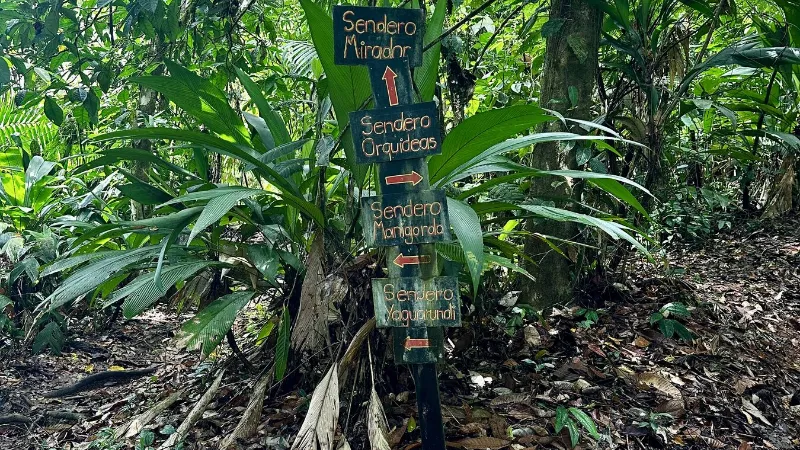 Tamandua Biological Station morning tour
- USD 557:00 am – 10:00 am
- A guided morning exploration of the station’s forest and private trails.
- Includes: Naturalist guide.
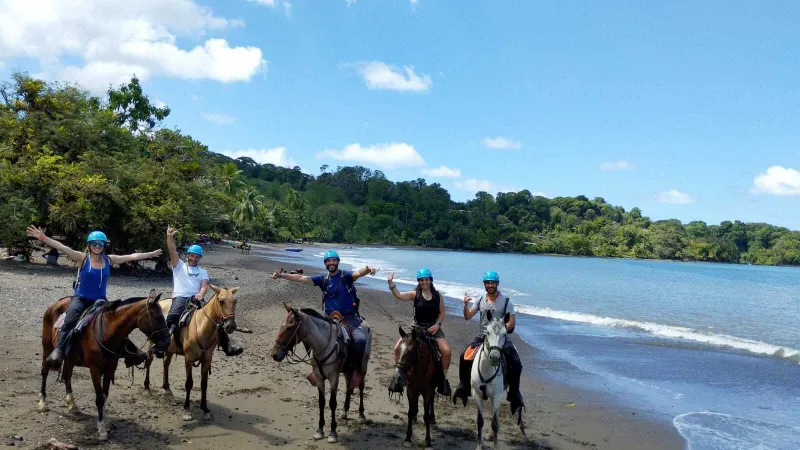 Horseback riding tour
- USD 60Duration: 3 hours
- Discover the landscapes around Drake Bay on horseback.
- Includes: Horse, helmet and guide.
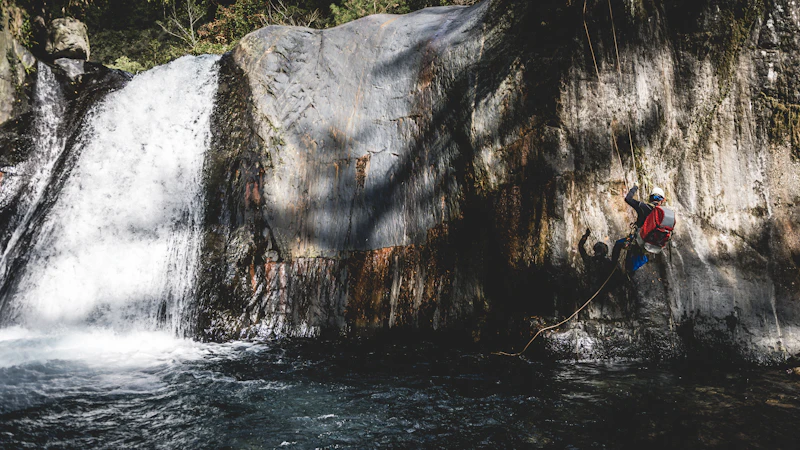 Canyoning tour — Tamandua Biological Station
- USD 957:00 am – 1:30 pm
- A guided canyoning experience at Tamandua Biological Station.
- Includes: Naturalist guide, equipment, taxi and lunch.
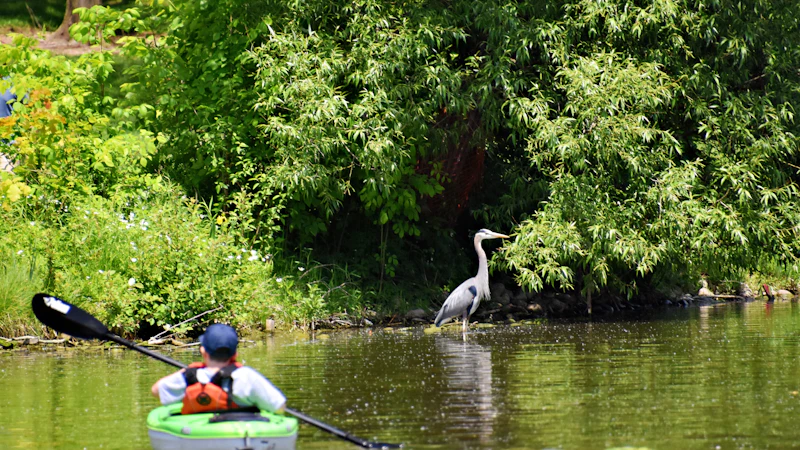 Rio Claro canoeing tour
- USD 25–40Timing: please enquire
- Explore Rio Claro by canoe, with different options and prices.
- Includes: Canoe, guide, life jacket, dry bag and snack.
- Different options/prices.
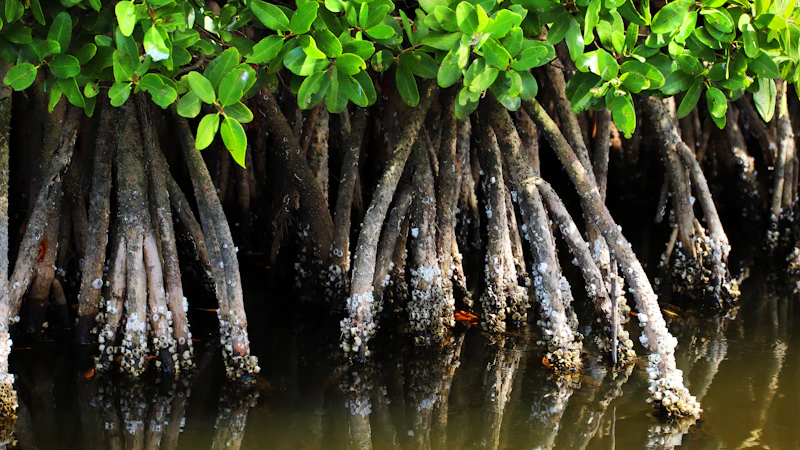 Mangrove tour
- USD 1006:30 am – 1:00 pm
- Discover the mangrove environment on a guided boat excursion.
- Includes: Boat, naturalist guide, snacks and lunch.
- Operates with at least 4 total participants. Solo travellers, couples and smaller parties may enquire about joining others where availability allows; you do not need to purchase 4 places yourself.
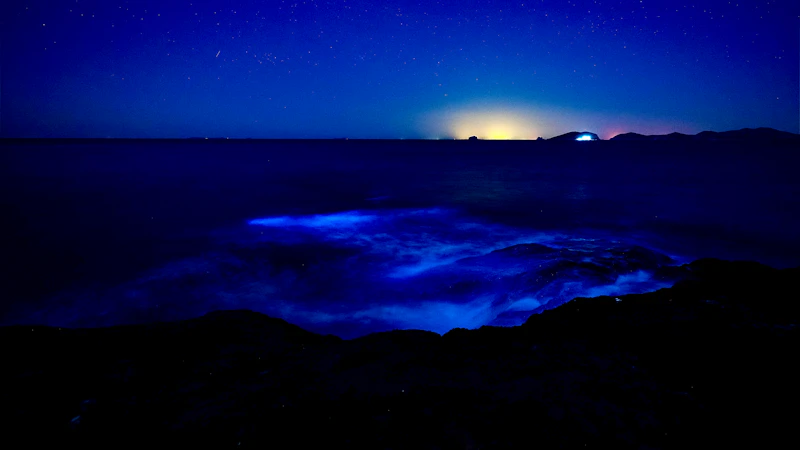 Bioluminescence tour
- USD 554:00 pm – 7:00 pm
- A boat excursion focused on bioluminescence.
- Includes: Boat, naturalist guide, snacks and snorkeling mask.
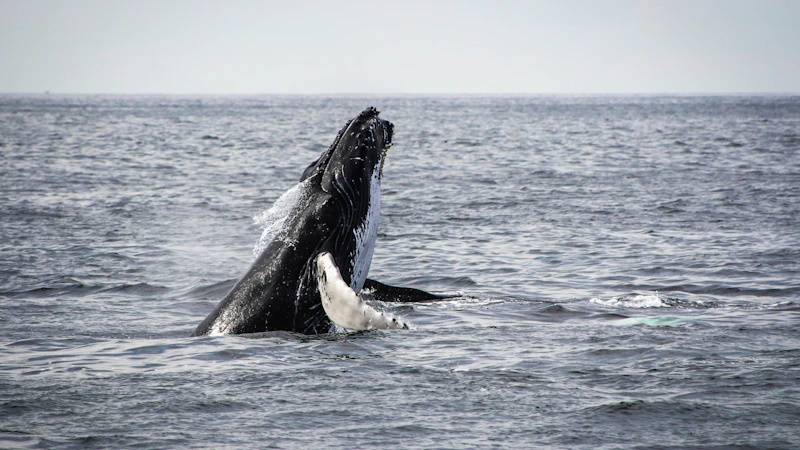 Whale and dolphin watching
- USD 100Timing: please enquire
- A guided boat excursion to look for whales and dolphins.
- Includes: Boat, naturalist guide and snack.
- Operates with at least 4 total participants. Solo travellers, couples and smaller parties may enquire about joining others where availability allows; you do not need to purchase 4 places yourself. Depends on whale presence and seasonality.
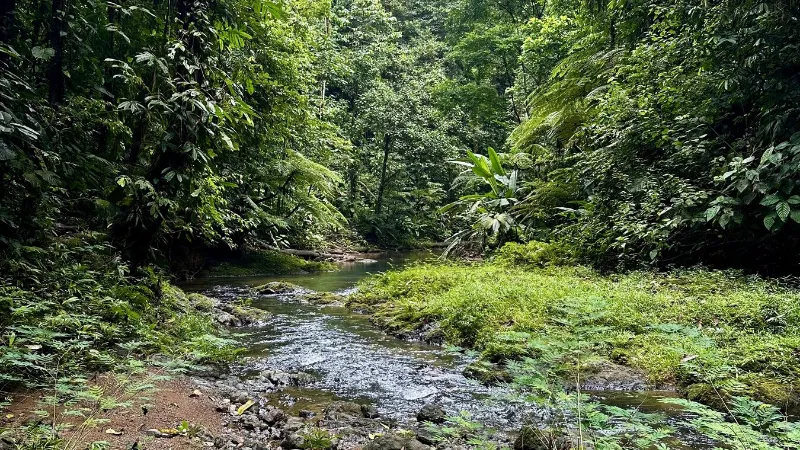 Floating tour
- USD 80Timing: please enquire
- A guided floating experience with transport and equipment.
- Includes: Car, naturalist guide, equipment and lunch.
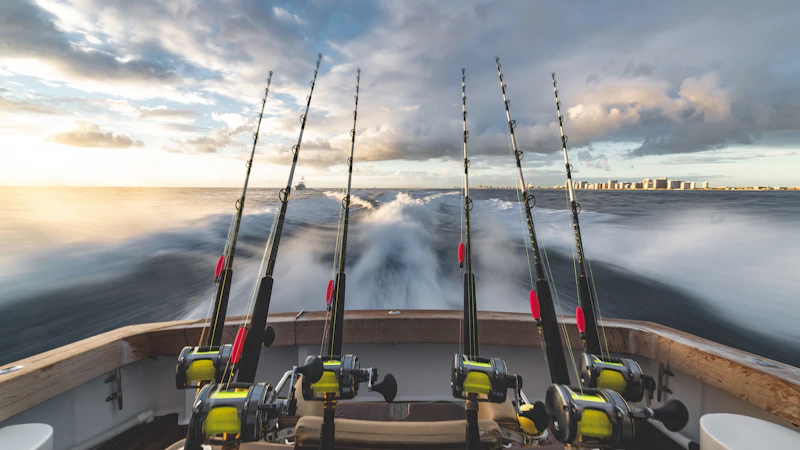 Sport fishing
- Half day: USD 650 · Full day: USD 1200Half day: 7:00 am – 12:00 pm; full day: 7:00 am – 4:00 pm
- Choose a half-day or full-day fishing trip.
- Includes: Boat, equipment, captain, drinks and snacks; lunch on the full-day tour.
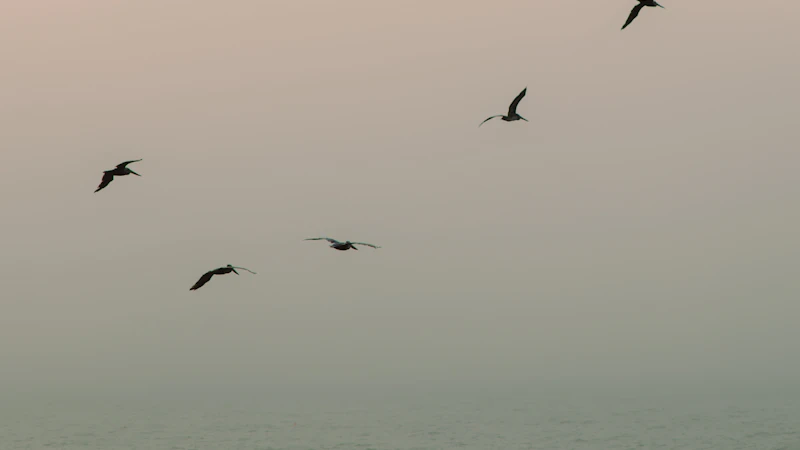 Pelagic tour
- USD 2405:30 am – 3:00 pm
- An offshore excursion to explore the pelagic environment.
- Includes: Boat, guide, drinks and lunch.
- Operates with at least 4 total participants. Solo travellers, couples and smaller parties may enquire about joining others where availability allows; you do not need to purchase 4 places yourself.
Photo credits
Images from the existing Tamandua website are combined with illustrative stock images used under the Unsplash License.
- Sunset catamaran tour — Loreta Pavoliene / Unsplash
- Caño Island Biological Reserve snorkeling tour — Teguh Arisma / Unsplash
- Caño Island Biological Reserve scuba diving tour — Marvin Meyer / Unsplash
- Canyoning tour — Tamandua Biological Station — Han-Hsing Tu / Unsplash
- Rio Claro canoeing tour — Jeffrey Eisen / Unsplash
- Mangrove tour — Jimmy Blackwell / Unsplash
- Bioluminescence tour — Victoria Wang / Unsplash
- Whale and dolphin watching — Jon Eckert / Unsplash
- Sport fishing — stephen momot / Unsplash
- Pelagic tour — Emma Swoboda / Unsplash
Ready for the trails
Recommended things to carry during the tours
Pack for the activity and changing forest or marine conditions.
- Light quick-drying clothing
- Long pants; riding pants where appropriate
- Hat or cap
- Raincoat
- Hiking shoes and water shoes
- Swimsuit
- T-shirt for snorkeling sun protection
- Water bottle
- Bag for belongings in case of rain
- Binoculars
- Biodegradable sunscreen
- Biodegradable insect repellent
- Walking sticks
Do I need to book tours in advance?
Contact Tamandua in advance to confirm availability, departure arrangements, inclusions and any minimum number of total participants. Solo travellers, couples and smaller parties may enquire about joining other participants where availability allows. Sending an enquiry does not confirm a booking.
Are tour prices per person?
Ask Tamandua to confirm whether your quoted price is per person or per group before booking. Published prices are shown in the tour catalogue.
Are transport, meals and equipment included in tours?
Inclusions differ by tour. Check the “Includes” line in the specific tour entry, and confirm any transport, meal or equipment arrangements with Tamandua.
Are there minimum group sizes?
The Corcovado National Park overnight tour, mangrove tour, whale and dolphin watching, and pelagic tour operate when at least 4 total participants are reached. Solo travellers, couples and smaller parties may still enquire and be combined with other participants where availability allows. You do not need to purchase 4 places yourself. Check the specific tour information and confirm availability with Tamandua before booking.
Do some tours require good physical condition?
Good physical condition is required for the Sirena, San Pedrillo and Los Planes overnight tour. Discuss the demands and current conditions of your chosen activity with Tamandua.
Do I need a diving licence for scuba diving at Caño Island?
Yes. A diving licence is required for the Caño Island scuba diving tour.
What should I bring on tours?
Bring light quick-drying clothing, long pants or riding pants where appropriate, a hat or cap, a raincoat, hiking shoes and water shoes, a swimsuit and a T-shirt for snorkeling sun protection.
Also bring a water bottle, a bag to protect belongings from rain, binoculars, biodegradable sunscreen, biodegradable insect repellent and walking sticks. Bring a flashlight for a night walk.
Can I visit without staying overnight?
Yes. You may purchase one of our internal tours, or you can simply pay the entrance fee and explore our private trails on your own.
Are whales visible all year?
Whale and dolphin watching depends on whale presence and seasonality. Sightings cannot be guaranteed. Check the tour information and ask about current conditions.
What wildlife can I expect to see at Tamandua?
Wildlife lives freely. Birds are abundant, and guided walks also interpret tracks, calls, feeding signs and other evidence. No particular animal sighting is guaranteed.
Why can mammals be harder to see in primary forest?
Tamandua’s primary forest is ecologically connected with Corcovado. Animals retain natural avoidance behaviour and may detect people and move away before they are seen. Indirect signs are part of understanding the forest.
What is especially good to observe at night?
Night tours are particularly good for looking for snakes, frogs and insects. Guides use patient observation and listening; sightings remain unpredictable.
Ready to connect?
Build your Osa experience
Tell us your dates, interests and practical needs. Tamandua will confirm the current options directly.
Contact Tamandua