 Tamandua Biological Station
Book your stay
Family & place
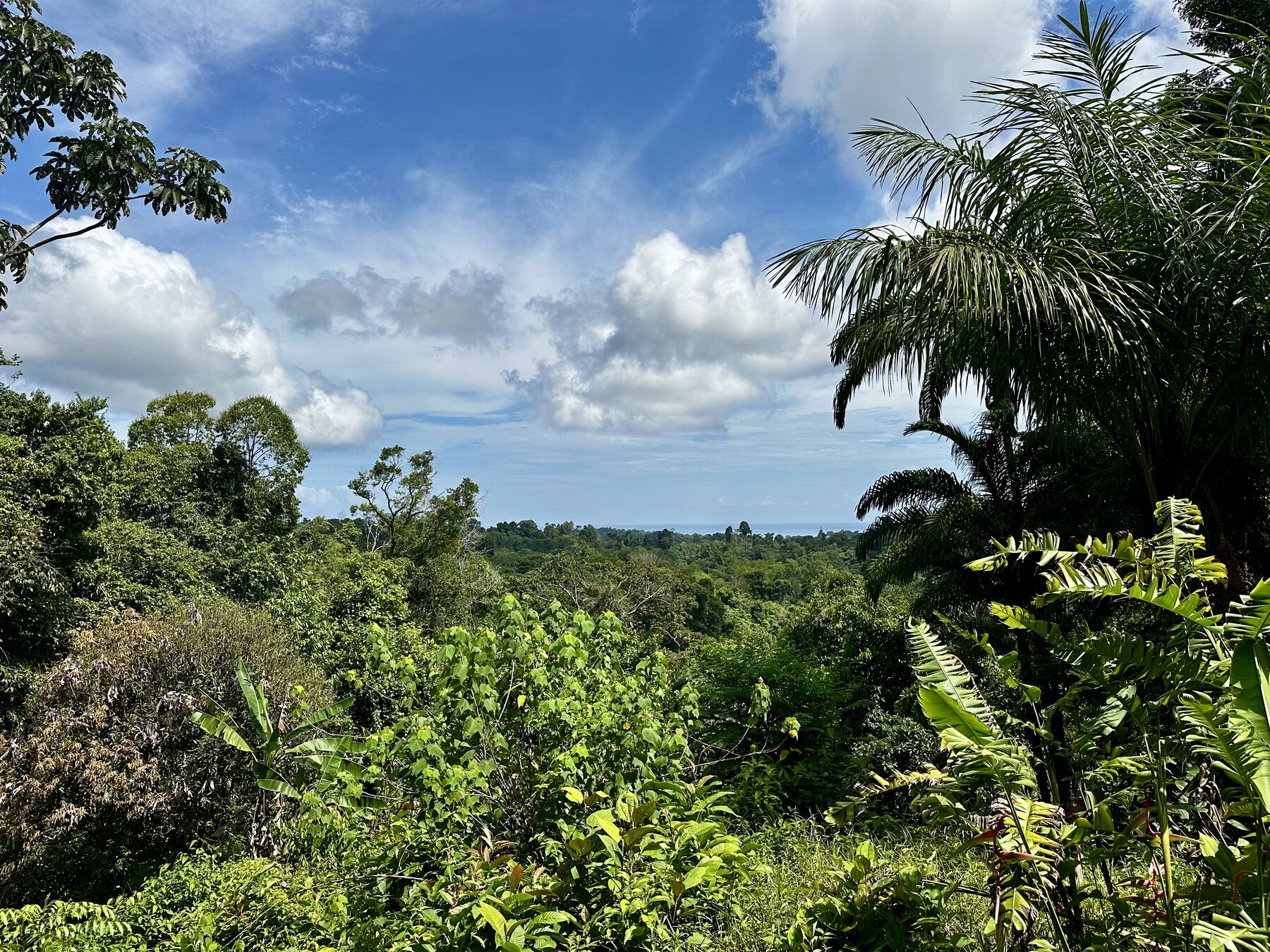
Rooted in the Osa forest.
A family-run station where hospitality, field knowledge and conservation support one another.
Family and team
The people behind Tamandua
Ananias grew up in the forest, developing a deep knowledge of its trails, rivers, plants and wildlife. His experience includes traditional forest knowledge and the use of plants in natural medicine. Before focusing on the station, he spent years working as a sport-fishing captain in Drake Bay, bringing that local experience to the project.
Rebeca is a tropical biologist who worked for around two decades as a naturalist guide in Corcovado National Park. She now leads the station’s research and client logistics, connecting the scientific work with the practical arrangements that make visits and projects possible.
Valeria and Braulio grew up at the station, with the forest as part of their daily lives. The family’s relationship with this place has grown alongside the project.
Allan has collaborated with Tamandua for more than a decade. He is a naturalist guide specialising in jungle survival, contributing his experience of living and moving through the forest.
Over approximately 17 years, the project has grown in an area that has faced hunting and logging pressure. The station’s conservation work has helped reduce illegal hunting and logging locally. Maintaining a presence in the forest, welcoming visitors and continuing research all help sustain that work.
How the project works
Ecotourism helps keep the station active
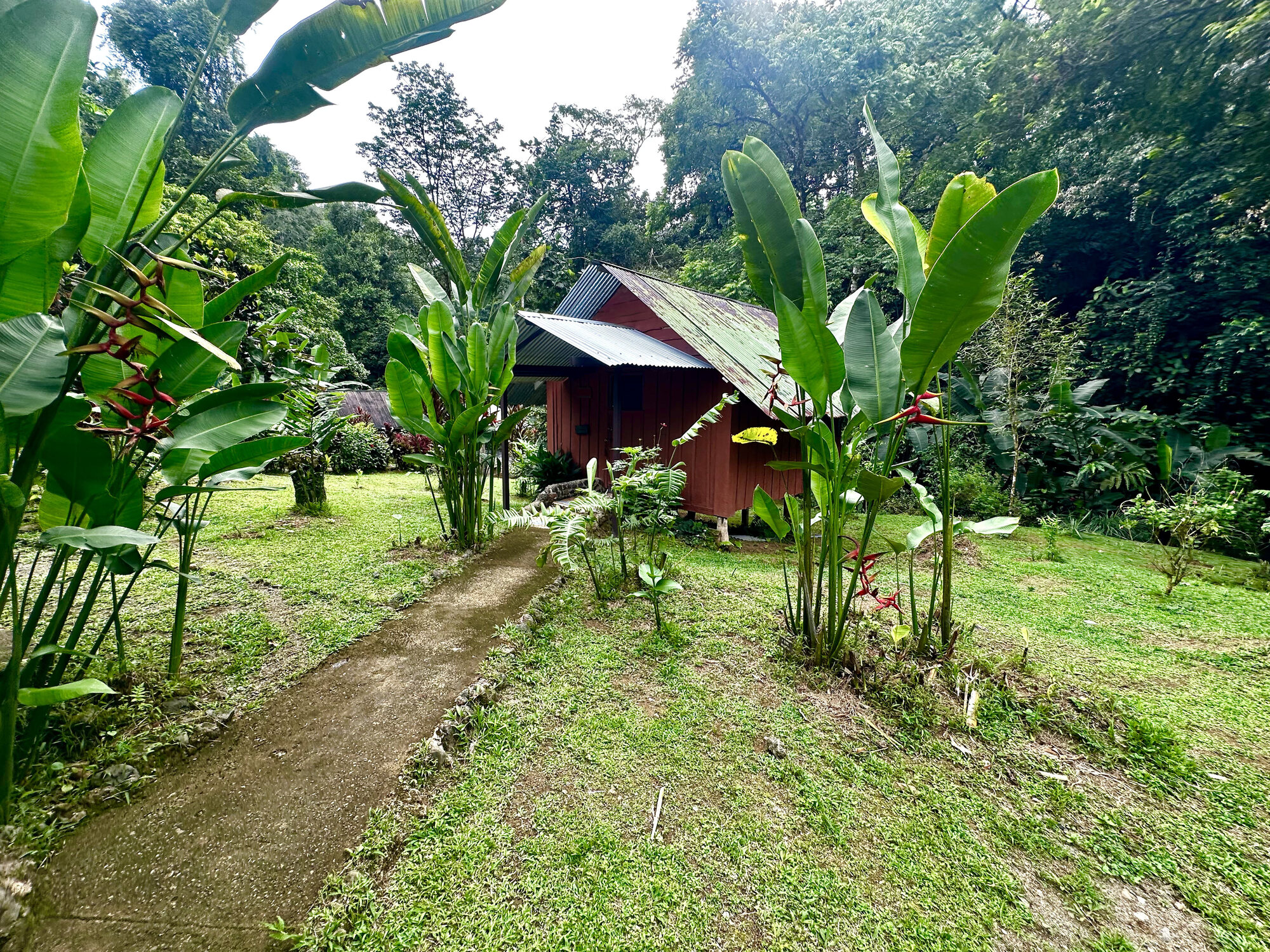
Tamandua Biological Station currently receives no government support. Its independent research and conservation work depend on the activity of the station: lodging, meals and tours help finance biodiversity monitoring, conservation and education.
Visitors contribute directly to keeping the project active. Their stays help maintain facilities and trails, sustain the day-to-day work and create opportunities to continue and expand research. Ecotourism also supports the station’s ongoing efforts to reduce threats to the surrounding forest.
Choosing to visit Tamandua therefore contributes to more than the visit itself. It helps maintain the continuity of a place where research, conservation and daily forest life support one another.
A stay with purpose
Why Choose Tamandua Biological Station
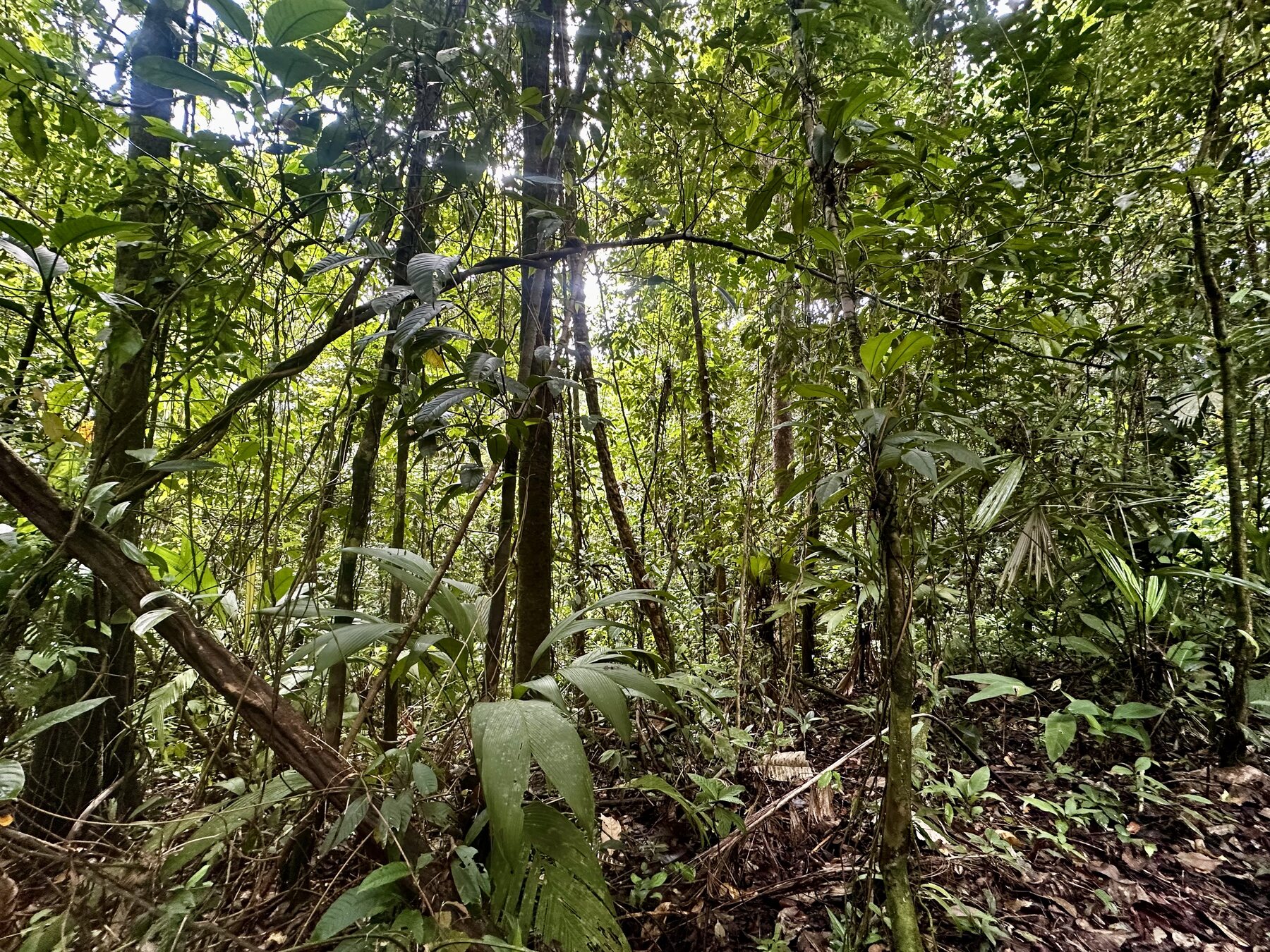
Tamandua Biological Station offers more than a place to sleep near Drake Bay. Scientific research and forest conservation are part of daily life here, and a stay brings guests close to the forest and the work being done to understand and protect it.
As Drake Bay town becomes increasingly busy, Tamandua offers a quiet, natural environment away from its urban tourism. There is time to listen, observe and explore, with private trails, a river and the sounds of the forest close by.
Guests can also take part by contributing useful biodiversity photographs to the species inventory. With proper identification, recording and photographer credit, these observations support scientific documentation, research and conservation.
Connect with the catalogue project →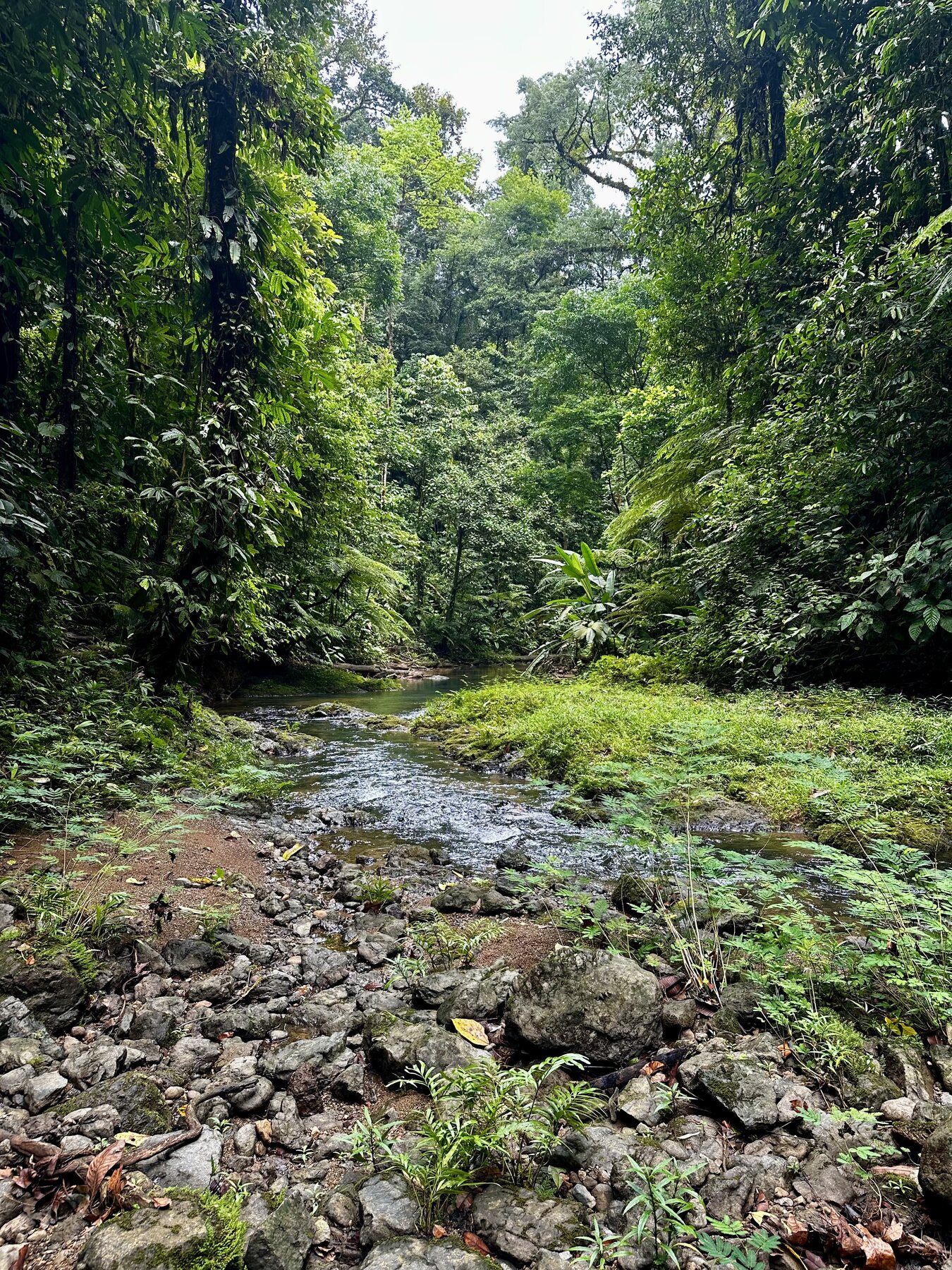
Osa Peninsula
Special location close to Corcovado
Tamandua Biological Station is approximately 5 km from Agujitas Beach in Drake Bay. The approach includes steep hills and six river crossings, and a high-clearance 4x4 is required for direct driving. We can help arrange local transfers; check current weather and river conditions with the station before travelling.
The station lies close to the northwestern boundary of Corcovado National Park and is the last construction before the primary forest. Clean waters and the surrounding intact ecosystem are part of what makes this location special.
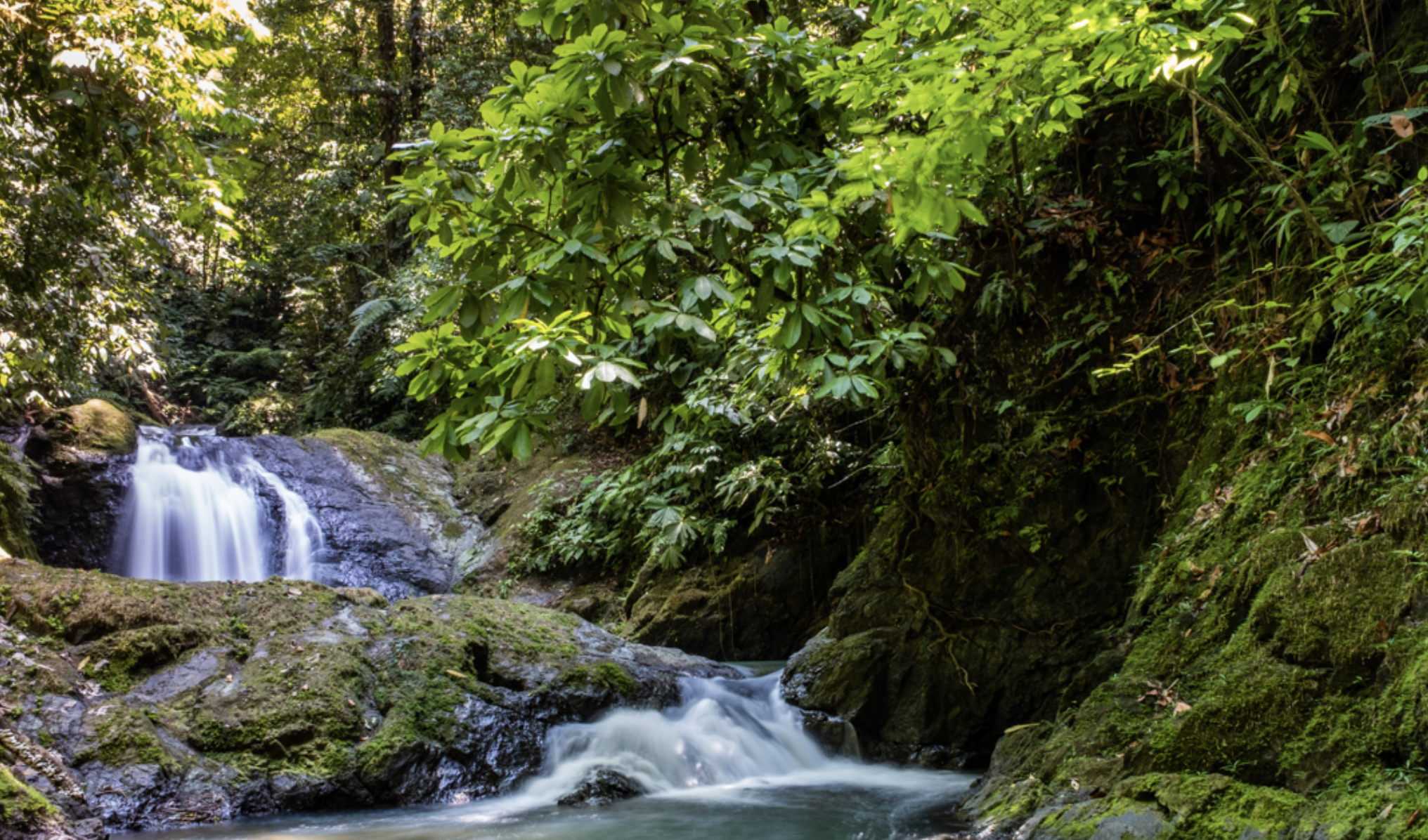
Our private trail network leads through the forest to waterfalls and natural swimming pools. Away from town, the setting offers a sense of isolation, with stretches of forest and no other people for kilometres. It is a place to experience the tropical rainforest closely, with time and space to notice its life and rhythms.
How to get there →Please confirm current schedules and access conditions with Tamandua before travelling.
Where is Tamandua Biological Station, and how far is it from Drake Bay?
The station is approximately 5 km from Agujitas Beach in Drake Bay, on Costa Rica’s Osa Peninsula, close to the northwestern boundary of Corcovado National Park.
Can I visit without staying overnight?
Yes. You may purchase one of our internal tours, or you can simply pay the entrance fee and explore our private trails on your own.
What is Tamandua Biological Station?
Tamandua Biological Station is a family-run biological station combining forest conservation, research and simple rainforest lodging. Ecotourism helps sustain its monitoring and education work.
Who runs the station?
Ananias and Rebeca lead the station. Ananias brings deep local forest knowledge; Rebeca is a tropical biologist and experienced Corcovado naturalist guide who now leads research and client logistics. Their children Valeria and Braulio grew up at the station, and naturalist guide Allan has collaborated for more than a decade.
How long has the project existed?
The project has grown over approximately 17 years. Its conservation work has helped reduce illegal hunting and logging locally.
How does tourism support conservation?
Lodging, meals and tours help fund monitoring, conservation, education and the maintenance of facilities and trails. Visitors directly help sustain the station and the continuity of its research work.
Does Tamandua receive government funding?
The station currently receives no government support. Income from lodging, meals and tours helps keep it active.
What makes the location different from staying in Drake Bay town?
The station is close to the northwestern Corcovado boundary and is the last construction before primary forest. Its private trails, waterfalls and natural pools offer an isolated forest setting away from the busier town.
Ready to connect?
Come and experience Tamandua
Tell us your dates, interests and practical needs. Tamandua will confirm the current options directly.
Contact Tamandua